
As explored in the accompanying video, cannabidiol, commonly known as CBD, has garnered significant attention as a natural supplement for various canine ailments. Many pet owners are now exploring the potential benefits of CBD for their beloved dogs, seeking solutions for issues ranging from chronic pain to anxiety. This natural compound, derived from the hemp plant, is gaining traction due to its reported therapeutic properties, offering a different approach to pet wellness.
Understanding CBD’s mechanism of action and its safe application for dogs is paramount for responsible pet ownership. While CBD may assist humans with sleeplessness and anxiety, its efficacy and safety for pets also deserve careful consideration. This guide expands on the key points from the video, providing a deeper dive into how CBD can potentially support your furry companion’s health.
What Exactly Is CBD for Dogs?
CBD, or cannabidiol, is one of over 100 cannabinoids found in the cannabis plant, specifically derived from industrial hemp. Crucially, hemp-derived CBD products contain only trace amounts of tetrahydrocannabinol (THC), the psychoactive compound responsible for the “high” sensation. Therefore, giving your dog CBD will not induce any intoxicating effects, allowing for therapeutic benefits without unwanted psychoactivity.
Research suggests that CBD interacts with the endocannabinoid system (ECS) present in all mammals, including dogs. The ECS plays a vital role in regulating various physiological processes such as mood, pain sensation, appetite, and sleep. By modulating the ECS, CBD can help maintain the body’s internal balance, known as homeostasis, which is crucial for overall health and well-being.
Key Benefits of CBD for Canine Wellness
Veterinarians highlight several areas where CBD can be particularly beneficial for dogs, echoing the insights shared in the video. These applications address common health challenges faced by aging pets or those with specific conditions. However, the precise effects can vary between individual animals.
Managing Pain and Inflammation
One of the most recognized benefits of CBD is its potential to alleviate pain and reduce inflammation. Dogs suffering from chronic conditions like arthritis often experience significant discomfort and reduced mobility. CBD’s anti-inflammatory properties can help lessen the swelling and stiffness associated with joint issues, improving their quality of life.
Moreover, nerve pain, often debilitating for dogs, may also be mitigated by CBD. It is thought that CBD influences pain receptors, offering a non-addictive alternative for managing chronic discomfort. This can make a substantial difference in older dogs or those recovering from injuries.
Reducing Anxiety and Stress
Many dogs experience anxiety triggered by various situations, including loud noises like thunderstorms, car travel, or separation from their owners. CBD has shown promise in calming anxious pets without sedation. It helps to regulate serotonin levels, which are linked to mood and anxiety in both humans and animals.
This calming effect can be especially valuable during stressful events, helping dogs cope more effectively. Owners report that their dogs exhibit less pacing, whining, and destructive behaviors when administered CBD before anticipated stressful situations. However, consistent use may be necessary for some conditions.
Supporting Gastrointestinal and Inflammatory Conditions
Beyond pain and anxiety, literature from human studies suggests that CBD may also assist with certain gastrointestinal tract conditions in dogs. This includes managing inflammation within the digestive system, which can contribute to discomfort and various digestive disorders. The anti-inflammatory properties of CBD could potentially soothe an irritated gut.
Furthermore, CBD is being explored for its role in managing other types of inflammatory conditions prevalent in canine patients. These might include skin irritations or other systemic inflammatory responses. Its broad-spectrum anti-inflammatory action makes it a versatile supplement for overall canine health.
Navigating the CBD Marketplace: Where to Buy and What to Look For
The market for pet CBD products has expanded considerably, offering a wide array of choices to pet owners. While the video mentions that CBD can be found “all over,” careful selection is crucial to ensure product quality and safety. Pet CBD is available in various forms, each offering different administration methods and absorption rates.
Common Forms of CBD Products for Dogs
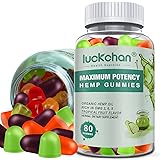
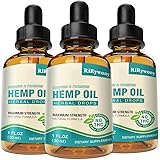
Pet CBD commonly comes in several convenient forms to suit different preferences and needs. Oils and tinctures are popular, allowing for precise dosage adjustments by drops and often offering quicker absorption when administered sublingually. Many pet owners find these easy to mix into food or administer directly.
Additionally, tasty treats infused with CBD provide an easy and enjoyable way to give your dog their dose, masking the natural taste of hemp. For localized relief, balms and topical creams can be applied directly to affected areas, such as sore joints or irritated skin. However, absorption through the skin is generally slower.
Sources for Purchasing CBD
CBD products can be purchased from a variety of retailers, both in-person and online. Specialized pet stores often carry a curated selection of reputable brands. Many hemp product shops also stock pet-specific CBD, providing diverse options. Furthermore, select veterinarians may offer or recommend specific CBD products, ensuring a trusted source.
For convenience, a vast number of manufacturers and retailers sell CBD products online. This broad accessibility makes it easier for pet owners to compare products and prices. However, the ease of online shopping necessitates an extra layer of diligence to verify product authenticity and quality before making a purchase.
The Importance of Veterinarian Consultation and Product Quality
Before introducing CBD into your dog’s regimen, it is highly recommended to consult with your veterinarian. They possess the medical background to understand potential interactions with other medications your dog may be taking and can advise on appropriate usage. Your veterinarian can also guide you toward products that have undergone rigorous testing to ensure purity and potency.
When selecting a CBD product, always look for a Certificate of Analysis (COA) from an independent third-party lab. This document verifies the CBD content, confirms the absence of harmful contaminants like pesticides, heavy metals, and residual solvents, and ensures the THC levels are within legal limits. Opting for products made from organic hemp further reduces the risk of chemical exposure. This due diligence ensures you are only giving CBD and nothing potentially harmful to your pet.
Understanding CBD Dosage for Your Dog
Determining the correct CBD dosage for your dog is perhaps the most critical aspect of safe and effective use. The video correctly emphasizes that there is no universal “one-size-fits-all” dosing strategy due to individual differences among dogs. Factors such as your dog’s weight, metabolism, the severity of their condition, and the concentration of the CBD product all play a role.
General Dosing Principles and Safety
One of the appealing aspects of CBD, as noted by veterinarians, is its relatively high safety profile. It is considered very difficult to overdose on CBD, and the associated risks are generally quite small. However, this does not mean dosage can be arbitrary. Starting with a low dose and gradually increasing it while observing your dog’s response is a common and recommended approach.
Potential mild side effects, while rare and usually temporary, can include drowsiness, dry mouth (leading to increased thirst), or a temporary drop in blood pressure. These effects are typically observed at higher doses. Therefore, careful monitoring is essential during the initial stages of CBD administration.
Tailoring a Dosing Regiment
To ensure your dog receives the correct amount of CBD for their specific needs, contacting a veterinarian is invaluable. A vet can structure a personalized dosing regimen based on their medical history and current health status. They can offer guidance on the starting dose, frequency, and how to adjust as needed. This expert advice helps minimize any potential complications and maximizes the therapeutic benefits for your canine companion.
Many manufacturers provide general dosing guidelines based on weight, typically recommending 1-5 mg of CBD per 10 pounds of body weight. However, these are merely starting points. A veterinarian’s insight into the specific condition being treated, such as severe arthritis versus mild anxiety, will refine this recommendation significantly. They can help navigate the nuances of full-spectrum versus isolate products, understanding how different formulations might impact effectiveness for your particular dog.
Fetch the Facts: Your CBD for Dogs Q&A
What exactly is CBD for dogs?
CBD, or cannabidiol, is a natural compound derived from the industrial hemp plant. It contains only trace amounts of THC, meaning it won’t make your dog high but can offer therapeutic benefits.
What are the main benefits of giving CBD to dogs?
CBD is often used to help dogs with pain and inflammation, especially from conditions like arthritis. It can also reduce anxiety and stress, and may support gastrointestinal health.
Is CBD safe for dogs, and are there any side effects?
CBD is considered to have a high safety profile for dogs, and serious side effects are rare. Mild, temporary side effects might include drowsiness, increased thirst, or a slight drop in blood pressure.
Where can I buy CBD products for my dog, and what should I look for?
You can find pet CBD at specialized pet stores, hemp shops, some veterinary clinics, and online. Always look for products with a Certificate of Analysis (COA) from an independent lab to confirm purity and potency, and consult your veterinarian.
How do I figure out the right CBD dosage for my dog?
There isn’t a single dose for all dogs, so it’s best to start with a low dose and gradually increase it while observing your dog’s response. Consulting your veterinarian is highly recommended for personalized dosing advice tailored to your dog’s condition.