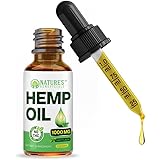

The burgeoning field of pet wellness frequently incorporates cannabinoid therapeutics. For canine companions, the administration of CBD oil for dogs has become a topic of significant interest. The accompanying video offers practical insights into effective methods for delivering this beneficial supplement. This discussion will delve deeper into the scientific principles underpinning optimal CBD oil delivery for canine patients, expanding on the video’s practical advice.
Optimizing Bioavailability of CBD Oil for Dogs
Maximizing therapeutic benefit requires efficient absorption. Bioavailability describes the proportion of an administered substance that reaches the systemic circulation. When CBD oil for dogs is administered, this metric is critical. Several factors influence how effectively CBD is absorbed into a dog’s bloodstream.
The route of administration significantly impacts bioavailability. Oral ingestion, as highlighted in the video, is generally less efficient. This is primarily due to the phenomenon known as first-pass metabolism. Extensive research indicates that a substantial portion of orally ingested CBD can be degraded.
Studies suggest that up to 60-70% of ingested CBD may be lost. This occurs before it can reach systemic circulation. Thus, achieving desired therapeutic concentrations becomes challenging. Optimal administration methods are therefore paramount.
Effective Administration: Sublingual and Buccal Routes
Firstly, the video correctly emphasizes direct oral administration methods. These include placement inside the cheek (buccal) or along the gums (sublingual). These routes are favored for several scientific reasons. They facilitate rapid absorption into the bloodstream.
The mucous membranes of the mouth are richly vascularized. This allows cannabinoids to bypass the digestive system. Direct entry into the systemic circulation is achieved. This circumvents the first-pass metabolism effect in the liver.
Research indicates sublingual absorption can increase bioavailability. Figures typically range from 20-35% for tinctures. This is a considerable improvement over ingestion via food. This method ensures more of the active compound is utilized.
Understanding Sublingual Absorption for Canine CBD
For canine patients, sublingual application is a preferred method. The sublingual mucosa beneath the tongue contains numerous capillaries. These tiny blood vessels absorb compounds quickly. Placement of CBD oil for dogs in this area ensures swift uptake.
Retention of the oil in this region is key. Gentle massage of the area can aid dispersion. This promotes maximum contact with the mucous membranes. The systemic effects can then be observed more rapidly.
Patient compliance may vary among dogs. Consistent application can improve efficacy. Owner technique significantly influences success rates. Practice makes perfect for both pet and owner.
Buccal Administration for Optimal Canine Health
Secondly, buccal administration involves applying CBD oil to the inner cheek. This area also possesses a rich blood supply. It offers another effective route for absorption. This method is often easier for owners to perform.
The inner cheek can accommodate a larger volume of liquid. This is useful for higher dose requirements. Adherence to the mucosal tissue is important. The compound must remain in contact to be absorbed.
This bypasses gastric degradation. It avoids hepatic first-pass metabolism. The bioavailability is notably higher than oral ingestion with food. Pet wellness is thus better supported.
The Drawbacks of CBD Oil Mixed with Food
Thirdly, integrating CBD oil for dogs directly into food is largely discouraged. As the video mentions, this can be akin to “throwing money out the door.” The scientific basis for this caution is robust.
When CBD is mixed with food, it travels through the entire digestive tract. It encounters harsh stomach acids. These acids can degrade the delicate cannabinoid compounds. This reduces their potency.
Furthermore, it undergoes first-pass metabolism in the liver. A significant portion of the CBD is metabolized. It is then excreted before it can exert therapeutic effects. This dramatically lowers its bioavailability.
A study on orally administered cannabinoids showed variable absorption. Efficacy can be significantly reduced. This reduction makes achieving consistent dosing challenging. It impacts the predictability of outcomes.
Factors Influencing CBD Absorption Beyond Administration Route
Several other factors influence the absorption of CBD oil for dogs. These considerations extend beyond the primary administration method. Understanding these elements can further optimize therapeutic outcomes.
Molecular formulation plays a critical role. Some products utilize nanotechnology. This reduces particle size for enhanced absorption. Liposomal encapsulation also improves bioavailability.
The carrier oil type is also significant. MCT oil (medium-chain triglyceride) is common. It can enhance the absorption of fat-soluble cannabinoids. This increases their solubility and transport efficiency.
Individual canine physiology presents variability. Metabolism rates differ among breeds and individuals. Liver function, age, and existing health conditions impact absorption. Careful observation is always recommended.
Considerations for Dosing and Product Selection
Determining the appropriate dosage for CBD oil for dogs is complex. It involves considering various factors. These include the dog’s weight, condition severity, and individual metabolic rate. Starting with a low dose and titrating upwards is standard practice.
Consultation with a veterinary professional is highly advisable. They can provide personalized recommendations. This ensures both safety and efficacy for your pet. A tailored approach is always best.
Product quality also cannot be overstated. Third-party lab testing ensures purity and potency. This verifies the absence of contaminants like pesticides and heavy metals. Reputable brands often provide Certificates of Analysis (COAs).
The video mentions brands like CBD Dog Health and Earth Buddy Pet. Such brands are often chosen for their consistent results. Their product quality is typically verified. This provides confidence to pet owners.
The Endocannabinoid System and Canine Response
The efficacy of CBD oil for dogs is attributed to the endocannabinoid system (ECS). This complex biological system regulates many physiological processes. These include pain, mood, appetite, and sleep. Cannabinoids interact with this system.
CBD primarily works by modulating existing endocannabinoids. It does not directly bind strongly to cannabinoid receptors. Instead, it influences receptor activity. This promotes systemic balance, known as homeostasis.
Understanding this intricate system is key. It helps to appreciate the broad potential of CBD. Optimal administration ensures effective interaction with the ECS. This maximizes the therapeutic benefits of CBD oil for dogs.
Pawsitive Q&A: Your CBD Oil for Dogs Questions Answered
What is CBD oil for dogs?
CBD oil for dogs is a supplement used in pet wellness that interacts with a dog’s natural system to help regulate various bodily functions and promote balance.
Why is the method of giving CBD oil to my dog important?
The method of administration is crucial because it affects how much of the CBD actually gets absorbed into your dog’s bloodstream. Using the right method ensures your dog gets the maximum therapeutic benefit from the supplement.
What are the most effective ways to give CBD oil to dogs?
The most effective ways are direct oral administration, either inside the cheek (buccal) or along the gums/under the tongue (sublingual). These methods allow the CBD to bypass the digestive system for faster absorption.
Should I mix CBD oil with my dog’s food?
It is generally not recommended to mix CBD oil with your dog’s food. When taken with food, a significant amount of the CBD can be degraded by stomach acids and lost during digestion, reducing its effectiveness.