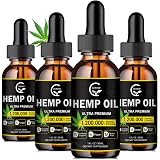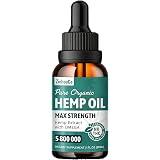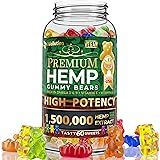

While the global market for cannabidiol (CBD) products has swelled into the tens of billions of dollars annually, buoyed by widespread consumer interest and aggressive marketing, the scientific consensus regarding its broad efficacy remains conspicuously measured. As highlighted in the video above, the prevailing sentiment among many in the medical community is that compelling, peer-reviewed evidence for most of CBD’s purported health benefits simply isn’t available outside of a very specific, high-dose application. This stark divergence between market enthusiasm and clinical validation presents a complex landscape for both consumers and practitioners.
For individuals seeking the truth about CBD products, the journey often involves sifting through a deluge of anecdotal testimonials and a relative scarcity of robust scientific data. The allure of a “natural” remedy for everything from chronic pain and anxiety to insomnia and inflammation is undeniable, yet a critical examination reveals a more nuanced reality. Understanding this distinction is paramount for informed decision-making in a market segment that often operates with minimal regulatory oversight.
Unpacking the Claims: The Reality of CBD Efficacy
Firstly, it is crucial to delineate the chasm between pharmaceutical-grade CBD and the vast majority of consumer products. The video succinctly points out that the only condition for which CBD has demonstrated unequivocal efficacy in rigorous clinical trials is certain rare, severe seizure disorders, such as Lennox-Gastaut syndrome and Dravet syndrome. This specific application, notably, involves a prescription medication called Epidiolex, which contains highly purified cannabidiol at very precise, high dosages determined through extensive research.
This pharmaceutical success story, however, does not automatically translate to the efficacy of the CBD oils, gummies, and topical balms found in health food stores, gas stations, or even online retailers. The active pharmaceutical ingredient (API) in Epidiolex is subject to stringent manufacturing, dosing, and quality controls, which are largely absent in the broader supplement industry. Consumers often encounter products with variable potency, questionable purity, and doses that are orders of magnitude lower than those proven effective in clinical settings.
The Critical Role of Dosage and Formulations in CBD Products
Moreover, the concept of “dose” is a cornerstone of pharmacology, acting much like a key that precisely fits a specific lock to elicit a therapeutic effect. The speaker in the video rightly emphasizes that the effective doses for seizure conditions are “very high,” far exceeding what most consumer-grade CBD products deliver or recommend. This isn’t merely about quantity; it’s about the concentration of pure cannabidiol that reaches the systemic circulation to interact with the endocannabinoid system.
Many over-the-counter CBD products suffer from poor bioavailability, meaning only a fraction of the ingested CBD actually makes it into the bloodstream to exert an effect. Factors like the method of administration (oral ingestion versus sublingual or topical), the formulation (oil, capsule, emulsion), and individual metabolic differences all dramatically influence bioavailability. Consequently, a consumer might ingest a product labeled with a certain milligram amount of CBD, but the actual effective dose delivered to target receptors could be significantly less, rendering the product therapeutically inert for most conditions.
Navigating the Unregulated Landscape of Consumer CBD
Beyond the efficacy, the regulatory environment for CBD products resembles the “Wild West” of an emerging industry rather than a mature, well-governed market. As the video alludes to, whether sourced from a small convenience store or a larger retail chain, consumer CBD often falls under the umbrella of dietary supplements, not regulated pharmaceuticals. In the United States, the Food and Drug Administration (FDA) has not generally approved CBD as a food additive or dietary supplement, maintaining that it is an active drug ingredient.
This regulatory ambiguity means that quality control, labeling accuracy, and contaminant testing are frequently inconsistent across the industry. Reports from independent testing agencies have repeatedly shown discrepancies between labeled CBD content and actual content, with some products containing significantly less CBD than advertised, and others containing unwanted contaminants like heavy metals, pesticides, or even THC above legal limits. This lack of standardization makes it nearly impossible for consumers to reliably assess the quality or potential therapeutic value of most readily available CBD products.
The Power of Perception: Understanding the Placebo Effect
Understanding the “truth about CBD products” also necessitates acknowledging the powerful role of the placebo effect. The speaker notes, “I think people will tell me all the time that rubbing CBD oil really helps their arthritis.” While the scientific evidence for topical CBD’s efficacy in arthritis pain is still developing and far from conclusive, the subjective experience of relief is undeniably real for many. The placebo effect is not merely “all in one’s head”; it’s a measurable physiological response where the expectation of a benefit can trigger the body’s own healing mechanisms.
When an individual believes a substance will alleviate their pain or anxiety, this expectation can release neurotransmitters, modulate pain perception pathways, and even influence inflammation. This phenomenon is a legitimate and potent aspect of human physiology, often accounting for a significant portion of perceived therapeutic benefits in clinical trials for various conditions. For individuals experiencing pain, the subjective relief offered by a placebo can be incredibly valuable, even if the active ingredient itself lacks specific pharmacological action for that condition. It underscores the complexity of pain and well-being, where perception can often be as impactful as direct pharmacodynamics.
Future Directions and Informed Consumerism for CBD Products
Ultimately, the narrative around CBD products is still evolving, with ongoing research continuing to explore its potential therapeutic applications beyond epilepsy. Researchers are investigating its anxiolytic, anti-inflammatory, and neuroprotective properties in controlled settings. However, these are early-stage studies, often utilizing highly purified CBD in specific delivery methods and controlled dosages that are not mirrored in the consumer market.
For consumers navigating this complex landscape, the key lies in an informed, evidence-based approach. While anecdotal reports can be compelling, they are not a substitute for rigorous clinical trials. Those considering CBD products for specific health concerns should consult with healthcare professionals and approach marketing claims with a healthy dose of skepticism. Prioritizing products from reputable brands that provide clear third-party lab testing results for potency and purity is a crucial first step, although even this cannot guarantee efficacy in the absence of robust scientific validation for most purported uses of CBD products.
Getting to the Truth: Your CBD Questions Answered
What is the general scientific consensus about how well CBD products work?
The scientific community is largely cautious about CBD’s widespread effectiveness, as there isn’t much strong, peer-reviewed evidence for most of its claimed health benefits.
Are there any specific conditions where CBD has been scientifically proven effective?
Yes, highly purified, prescription-grade CBD (like Epidiolex) has shown clear effectiveness for specific rare and severe seizure disorders in rigorous clinical trials.
What’s the difference between pharmaceutical CBD and the CBD products sold in stores?
Pharmaceutical CBD is precisely manufactured with specific, high dosages under strict control, while consumer products often have variable purity, potency, and much lower doses.
How are consumer CBD products regulated?
Most consumer CBD products are sold as dietary supplements and are not regulated like prescription medicines, leading to inconsistencies in quality, accurate labeling, and contaminant testing.