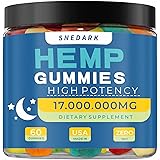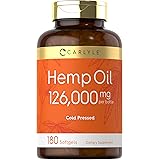

The quest for effective hair loss solutions frequently leads individuals to explore various natural remedies, including plant-derived oils. In the accompanying video, the potential of hemp seed oil for enhancing hair health and promoting hair growth is thoroughly discussed, differentiating it from related cannabis products and outlining its practical applications. This article provides a deeper dive into the scientific underpinnings of hemp seed oil, offering a comprehensive understanding of its properties and how it might be integrated into a holistic hair care regimen.
Understanding Hemp Seed Oil: A Fundamental Overview
Hemp seed oil is an extract derived from the seeds of the Cannabis sativa plant, specifically varieties cultivated for industrial purposes with negligible psychoactive compounds. This oil is extensively utilized in both the cosmetic and culinary industries across the globe. For many years, hemp has been recognized within the health community as a valuable source of essential nutrients and minerals, contributing to overall wellness.
It is important to note that hemp seed oil typically does not contain Tetrahydrocannabinol (THC), which is the psychoactive compound responsible for the “high” associated with cannabis use. Consequently, the oil is a non-intoxicating product, allowing for its broad application without recreational implications.
Distinguishing Hemp Seed Oil from CBD Oil
While both hemp oil and CBD oil originate from the cannabis plant, their extraction methods and plant parts utilized are distinct, which significantly impacts their chemical compositions and potential functionalities. Hemp seed oil is obtained through a mechanical pressing process applied to the seeds of the cannabis plant. This method yields an oil rich in fatty acids, vitamins, and minerals, reflecting the nutritional profile of the seeds.
In contrast, CBD oil is primarily extracted from the flowers and leaves of the cannabis plant, often through chemical processes. This distinction means that CBD oil contains cannabidiol (CBD), a non-psychoactive compound known for its various therapeutic properties, which are distinct from the nutritional benefits primarily found in hemp seed oil. Generally, CBD has been more thoroughly researched in the scientific community, having been included in numerous studies and trials, establishing its profile more definitively compared to the less extensively researched hemp seed oil.
Evaluating Hemp Seed Oil for Hair Growth and Scalp Health
A common inquiry revolves around the efficacy of hemp seed oil in directly promoting hair growth. It is crucial to clarify that, at present, no conclusive scientific evidence directly suggests that hemp seed oil can be used to actively promote new hair growth. Nonetheless, this absence of direct evidence does not render the oil entirely without merit, especially when considering its known benefits for overall scalp health.
The rich composition of hemp seed oil, particularly its fatty acid content, positions it as a beneficial component for maintaining a healthy scalp environment. These fatty acids are vital nutrients that play critical roles throughout the body, including the modulation of various cellular processes that are essential for robust hair follicles. Furthermore, the presence of these compounds is often associated with a reduction in inflammatory responses.
The Role of Fatty Acids in Hair Health
Hemp seed oil is notably rich in polyunsaturated fatty acids. According to a 2017 article, its profile includes a beneficial balance of omega-3 and omega-6 fatty acids, specifically alpha-linolenic acid (ALA) and linoleic acid, respectively. These essential fatty acids are foundational components of cell membrane structures and are involved in modulating gene transcription, both of which are imperative for optimal cellular functioning and overall bodily health.
For individuals experiencing hair loss, the anti-inflammatory properties of these fatty acids are particularly significant. Various forms of hair loss, including the highly prevalent Androgenetic Alopecia (AGA), commonly known as Male-Pattern Baldness, are frequently associated with some degree of follicular inflammation. This inflammation, which can be triggered by factors such as the presence of dihydrotestosterone (DHT) or scalp tension, can lead to the gradual miniaturization of hair follicles.
If follicular inflammation is left unaddressed, the affected follicles may shrink progressively, impeding the ability of new, healthy hairs to emerge. This process ultimately contributes to hair thinning and, in severe cases, irreversible balding. The potent anti-inflammatory effects of the fatty acids found in hemp seed oil, as evidenced by a study demonstrating its ability to reduce brain inflammation in mice, suggest a potential for mitigating scalp inflammation. Consequently, a healthier, less inflamed scalp environment is better equipped to support existing hair follicles and potentially prevent further hair loss.
Integrating Hemp Seed Oil into Your Hair Care Routine
Incorporating hemp seed oil into one’s daily routine can be approached through several avenues, both dietary and topical, allowing for varied methods of experiencing its potential benefits. Considering the nutritional density of the oil, its addition to diet or direct application to the scalp can support a healthier hair ecosystem.
Dietary Integration of Hemp Seeds and Hemp Seed Oil
For those preferring to benefit from hemp internally, integrating hemp seeds or hemp seed oil into the daily diet is a straightforward option. A spoonful of either product can be ingested directly each day, providing a convenient dose of essential nutrients. Alternatively, hemp seed oil, possessing a mild, nutty flavor, serves as an excellent ingredient for culinary applications.
It can be readily incorporated into salad dressings, used as a base for flavorful dips, or utilized in marinades for various dishes. These applications not only enhance the nutritional value of meals but also introduce its beneficial fatty acid profile to the body systemically, potentially impacting scalp health from within.
Topical Application for Scalp Health
To achieve a more localized and direct benefit for the scalp, topical application of hemp seed oil is a highly recommended method. The oil is simple to apply; a small quantity can be poured into the hand and gently massaged onto the scalp using the fingertips. This direct application ensures that the beneficial compounds are delivered directly to the hair follicles and surrounding skin.
Furthermore, topical application can be combined with other proven methods for hair regrowth to enhance their efficacy. For instance, pairing hemp seed oil application with regular scalp massage can improve blood circulation to the follicles, while integrating it with microneedling sessions may aid in deeper penetration of the oil’s nutrients. These combined approaches may offer a synergistic effect, amplifying the potential benefits for overall scalp and hair health.
Selecting High-Quality Hemp Seed Oil
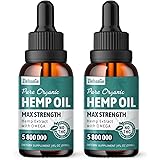
When purchasing specialty oils such as hemp seed oil, discerning consumers are advised to meticulously examine product labels to ensure quality and purity. The effectiveness of the oil is often directly linked to its quality, therefore, careful selection is paramount. Several key indicators can guide the procurement process.
Initially, it is strongly recommended that consumers opt for oils explicitly labeled as non-GMO (Genetically Modified Organism). This designation typically provides greater assurance regarding the natural origin and processing of the oil, offering a clearer understanding of its contents. Additionally, the ingredient list should be thoroughly reviewed. Ideally, the product should consist of 100% pure hemp seed oil, without any added fillers, preservatives, or other oils mixed in. The presence of additives can dilute the beneficial compounds, potentially diminishing the desired effects. Given the wide availability of hemp seed oil from various retailers, both brick-and-mortar and online, consumers are afforded the opportunity to be selective and prioritize products that meet these stringent quality standards.