
Approximately 60% of individuals worldwide grapple with hair dryness and frizz, issues exacerbated by environmental stressors and chemical treatments. Combatting these pervasive concerns demands a strategic approach to hair care, often involving specialized emollients. As Dr. Rashmi Shetty highlights in the video above, selecting the right exotic hair oils can dramatically transform hair texture and resilience.
The quest for optimal hair hydration and frizz control leads many experts beyond conventional options. While popular choices like coconut and argan oil certainly offer benefits, a deeper dive into lesser-known, yet potent, botanical extracts reveals a new frontier in trichology. Understanding the unique biochemical profiles of these oils empowers professionals and enthusiasts alike to formulate highly effective regimens.
The Efficacy of Exotic Hair Oils for Hydration and Frizz Control
The scientific literature consistently demonstrates that certain hair oils, particularly those rich in specific fatty acids and antioxidants, exhibit superior capabilities in cuticle sealing and moisture retention. These properties are crucial for mitigating frizz, which often arises from a lifted cuticle layer allowing moisture to penetrate and swell the hair shaft. Conversely, a smooth, sealed cuticle reflects light more effectively, contributing to enhanced shine.
Choosing an appropriate oil involves understanding its molecular structure and how it interacts with the hair fiber. Some oils are primarily occlusive, forming a barrier to prevent moisture loss. However, others penetrate the hair shaft, providing deep nourishment and elasticity from within. This distinction is paramount for achieving sustained hair health.
Jojoba Oil: Nature’s Sebum Mimic
Jojoba oil (Simmondsia chinensis) stands out due to its unique chemical composition; it is technically a liquid wax ester, not a triglyceride like most other oils. This structural similarity to human sebum, the natural oil produced by our scalp, makes it an unparalleled ally in balancing scalp health. Unlike many oils that can clog pores, jojoba oil is remarkably non-comedogenic.
The benefit of this sebum mimicry is profound. If the scalp is overproducing oil, jojoba can signal it to produce less. Conversely, for a dry scalp, it provides essential lubrication and protection. Its wax ester nature allows it to condition the hair shaft without feeling greasy, creating a smooth cuticle and effectively reducing frizz. It acts as a chameleon, adapting to the scalp’s needs.
Grapeseed Oil: A Lightweight Champion for Frizz Control
Extracted from the seeds of grapes (Vitis vinifera), grapeseed oil is celebrated for its incredibly light texture and high concentration of linoleic acid (an omega-6 fatty acid), typically constituting 60-70% of its content. This high linoleic acid profile makes it a superb emollient that doesn’t weigh down finer hair types. Its featherlight nature allows for easy absorption, delivering hydration without residue.
Furthermore, grapeseed oil is rich in antioxidants, notably proanthocyanidins and Vitamin E, which combat oxidative stress caused by environmental aggressors like UV radiation and pollution. While heavier oils might simply coat the hair, grapeseed oil penetrates, strengthening the hair’s lipid barrier. This action seals the cuticle, dramatically improving frizz control and enhancing shine, much like a protective, invisible shield.
Flaxseed Oil: The Omega-3 Powerhouse for Hair Strength
Derived from the flax plant (Linum usitatissimum), flaxseed oil is a robust source of alpha-linolenic acid (ALA), an omega-3 fatty acid, often comprising over 50% of its composition. This impressive omega-3 content plays a pivotal role in hair strength and elasticity. Omega fatty acids are essential building blocks for healthy cells, including those in hair follicles.
The emollient properties of flaxseed oil are exceptional, allowing it to deeply condition the hair and provide a protective layer that helps lock in moisture. It smooths the hair cuticle, making hair feel softer and appear shinier, effectively minimizing static and flyaways. Unlike some oils that merely add gloss, flaxseed oil actively contributes to the hair’s structural integrity, much like reinforcing steel in a delicate structure.
Hemp Seed Oil: A Balanced Blend for Comprehensive Hair Health
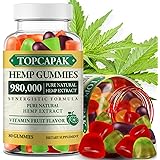
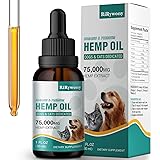
Hemp seed oil (Cannabis sativa seed oil) offers a remarkable balance of omega-3 and omega-6 fatty acids, typically in an ideal 3:1 ratio. It also contains gamma-linolenic acid (GLA), an omega-6 fatty acid known for its anti-inflammatory properties. This comprehensive fatty acid profile, combined with vitamins E and D, and essential amino acids, makes hemp seed oil a holistic solution for hair and scalp wellness.
Its ability to moisturize without greasiness makes it suitable for various hair types, especially those prone to dryness and irritation. The GLA content can soothe an inflamed scalp, promoting a healthy environment for hair growth. Moreover, the amino acids contribute to protein synthesis, fortifying the hair shaft against breakage. Hemp seed oil acts as a versatile nutrient cocktail, addressing multiple facets of hair health simultaneously.
Optimizing Application for Maximum Impact
Harnessing the full potential of these exotic hair oils depends significantly on proper application techniques. These oils can be utilized in several ways, each targeting specific concerns. For instance, a pre-shampoo treatment can deeply nourish the hair shaft, preparing it for cleansing and protecting it from harsh sulfates. Apply the oil liberally to dry hair, focusing on mid-lengths and ends, then leave it on for at least 30 minutes before shampooing.
Conversely, a small amount can serve as a leave-in conditioner or styling aid, especially for fine hair that needs frizz control without being weighed down. Emulsify a few drops between your palms and gently smooth over damp or dry hair, concentrating on frizzy areas. For scalp concerns, a targeted massage with jojoba or hemp seed oil can help regulate sebum production and soothe irritation. Always opt for cold-pressed, unrefined versions to ensure maximum nutrient potency, as processing can degrade beneficial compounds.