
The quest for natural remedies to manage everyday stresses and chronic conditions has led many to explore options like CBD oil. In fact, reports indicate that a significant portion of the adult population in the United States experiences anxiety, and a growing number are turning to cannabidiol (CBD) for potential relief. The accompanying video offers a personal account of one individual’s journey into using CBD to address chronic anxiety, providing a unique perspective on its effects, challenges, and the current scientific understanding.
As seen in the video, the market is awash with CBD products, ranging from tinctures found in health food stores to gourmet chocolates and topical creams in trendy boutiques. These products are often advertised with claims of alleviating everything from anxiety and insomnia to muscle pain. Such broad assertions can, understandably, make one question whether these benefits are truly substantiated or if they sound a bit “too good to be true.”
Understanding CBD: More Than Just a Trend
Cannabidiol, commonly known as CBD, is a compound that is derived from the cannabis plant. It is widely recognized as a “distant cousin” of THC, which is the psychoactive chemical in marijuana responsible for the “high.” A crucial distinction is that CBD is non-psychoactive, meaning it will not produce the intoxicating effects associated with cannabis use. This fundamental difference is often what draws individuals seeking therapeutic benefits without altered mental states.
The cannabis plant itself contains over 100 different cannabinoids, each with unique properties. While THC is known for its psychoactive effects, CBD is gaining attention for its potential therapeutic applications, as highlighted by researchers like Dr. Yasmin Hurd in the video. The increasing legality and availability of hemp-derived CBD products have paved the way for more widespread public and scientific interest. This burgeoning industry allows for numerous formulations, including oils, edibles, and topicals, making CBD accessible in various forms for different preferences and needs.
How CBD Interacts with Your Body’s Systems
The human body possesses a complex network of receptors and neurotransmitters known as the endocannabinoid system (ECS). This system plays a vital role in regulating a variety of physiological processes, including mood, sleep, appetite, pain sensation, and immune response. While the video specifically mentions CBD activating serotonin receptors, which are crucial for mood regulation and alleviating anxiety, the full scope of CBD’s interaction with the ECS is still being actively researched.
It is believed that CBD influences the ECS indirectly, rather than binding directly to cannabinoid receptors in the same way THC does. Instead, it may modulate the activity of these receptors or influence other non-cannabinoid receptors, such as those for serotonin. For instance, the video touches upon CBD’s potential anti-inflammatory effects, which could contribute to overall well-being and pain relief, though the specific mechanisms are still under investigation. Understanding these interactions is key to unraveling the full potential of CBD for anxiety and other conditions.
The Science of CBD and Anxiety Relief
For individuals dealing with chronic anxiety, the prospect of finding effective relief is paramount. Dr. Yasmin Hurd, a leading expert featured in the video, has dedicated over a decade to studying the effects of CBD. Her research, including studies on people with a history of heroin addiction, suggests that CBD can indeed reduce anxiety. This indicates a promising avenue for those experiencing various forms of anxiety, from situational stress to more persistent anxiety disorders.
1. **Serotonin System Activation:** As Dr. Hurd explains, CBD has been observed to activate certain serotonin receptors. The serotonin system is intricately linked to feelings of well-being and happiness, and its proper functioning is associated with alleviating anxiety. Imagine if a natural compound could gently support your body’s own mood regulators; this is the area where CBD’s potential is being explored.
2. **Anti-Inflammatory Properties:** Beyond its potential impact on mood, CBD is also recognized for its anti-inflammatory properties. While the video mentions this in the context of hangover relief, inflammation is increasingly linked to various health conditions, including aspects of mental health. Reducing inflammation could contribute to a general sense of improved physical comfort and potentially lessen physiological stress, which can exacerbate anxiety.
3. **Ongoing Research and Challenges:** Despite these promising indications, the scientific community is still working to establish definitive guidelines for CBD for anxiety. The video highlights a significant challenge: until late 2018, nearly all CBD was classified as an illegal substance, severely hindering scientific study. This regulatory barrier meant that rigorous, large-scale clinical trials were difficult to conduct, leading to a situation where public interest and market availability have outpaced scientific understanding.
Navigating Your CBD Dosage and Product Choices
One of the most common questions surrounding CBD use is “How much should I take?” As the video illustrates, determining an effective dose can be complex due to the highly individualized nature of CBD’s effects. Clinical trials often administer doses ranging from 300 to 600 milligrams daily, a spectrum that can seem daunting to new users.
1. **Individualized Dosing:** Benji’s personal experiment involved a daily intake of 250 milligrams, broken into three doses, demonstrating an approach to gradual administration. Factors such as body weight, individual metabolism, the severity of the condition being treated, and the concentration of the CBD product all play a significant role in determining the ideal dosage. It is widely recommended to start with a very low dose and incrementally increase it until the desired effects are observed, paying close attention to your body’s response.
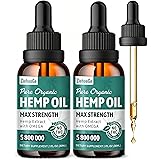
2. **Product Types and Absorption:** The method of CBD consumption significantly impacts its absorption and efficacy. The video demonstrates the use of a sublingual tincture, where the oil is placed under the tongue. This method allows for direct absorption into the bloodstream via capillaries, bypassing the digestive system and resulting in a faster onset of effects. In contrast, ingesting CBD products like chocolates means the CBD must first pass through the digestive system, where much of it can be broken down, potentially reducing its bioavailability and perceived effects.
3. **Beyond Tinctures: A Look at CBD Spectrum:** When choosing a CBD product, consumers often encounter terms like full-spectrum, broad-spectrum, and CBD isolate. Full-spectrum products contain all naturally occurring compounds of the cannabis plant, including minor cannabinoids, terpenes, and a trace amount of THC (up to 0.3%). This combination is thought to produce an “entourage effect,” where the compounds work synergistically to enhance therapeutic benefits. Broad-spectrum CBD contains multiple cannabinoids and terpenes but no THC, while CBD isolate is pure CBD, with all other plant compounds removed. Each type offers a different profile of benefits, and personal preference often dictates the choice.
4. **The Importance of Quality and Third-Party Testing:** Given the still-evolving regulatory landscape, the quality and purity of CBD products can vary widely. It is imperative for consumers to seek out reputable brands that provide third-party lab testing results. These Certificates of Analysis (CoAs) verify the product’s CBD content, ensure it is free from harmful contaminants like pesticides, heavy metals, and mold, and confirm THC levels. This due diligence helps ensure that what is purchased is both safe and accurately labeled, a critical step that was not explicitly covered in the video but is a cornerstone of responsible CBD use.
Benji’s Experience: A Personal Journey with CBD
Benji’s week-long experiment provides a relatable narrative for anyone considering CBD. His initial approach involved taking 250 milligrams of CBD for anxiety daily, carefully divided into three doses to avoid an overwhelming impact. The immediate and most noticeable side effect was significant drowsiness, which Dr. Hurd confirmed is a common occurrence with higher doses. This illustrates that while CBD may offer benefits, it can also come with noticeable physiological responses that need to be managed, especially during workdays or activities requiring alertness.
1. **Moments of Relief and the Placebo Effect:** During a particularly stressful situation, Benji reported experiencing a calming sensation and quick relief after taking CBD, describing it as feeling nerves settle. This instantaneous perception of calm, however, raised the question of the placebo effect. Imagine if the belief in CBD’s efficacy, combined with the act of taking it, contributed to the feeling of relaxation. This phenomenon is a powerful aspect of human psychology that can influence how we perceive the effectiveness of any treatment, highlighting the complexity of self-reported benefits.
2. **Subjective Tracking of Anxiety:** Benji used an anxiety scorecard, a rough estimate of his emotional state, to track his progress. While this method showed a slight reduction in anxiety on his last day compared to his first, it also underscored the difficulty of objectively measuring subtle emotional changes day-to-day. The experience was not a complete “washing away” of anxiety but rather a lowering of intensity, often accompanied by lethargy. This suggests that CBD’s effects on anxiety might be nuanced, subtly altering one’s emotional baseline rather than providing a dramatic shift.
3. **Long-Term Considerations and Cost:** The experiment also brought to light the practicalities of consistent CBD use, such as remembering to take multiple doses daily and the cumulative fatigue. Ultimately, Benji expressed a desire to continue using CBD, but primarily for those moments requiring instant relief, rather than as a continuous daily regimen. The significant cost of the CBD oil, exceeding $130 for one bottle, was a considerable factor in this decision, underscoring the importance of weighing potential benefits against the financial investment.
The Future of CBD Research and Consumer Responsibility
As Dr. Hurd emphatically states, we are in a unique historical moment where the public’s demand is largely driving the perception of CBD as medicine, rather than scientific and physician-led consensus. This dynamic creates both opportunity and challenges. The widespread use of CBD has spurred interest in scientific research, yet the existing gaps in understanding how it specifically works, optimal dosages, and its long-term impacts remain substantial.
Ongoing research is crucial to move beyond anecdotal evidence and establish clear, evidence-based guidelines for CBD use. This includes investigating its precise mechanisms of action, dose-response relationships, potential drug interactions, and specific applications for various conditions. For consumers, this means adopting a cautious and informed approach. Imagine if every CBD product came with clear, scientifically backed dosing recommendations, significantly simplifying the user experience and improving safety.
Given the current landscape, it is always recommended that individuals consult with a healthcare professional before incorporating CBD for anxiety or any other health concern into their routine. This is especially important for those who are taking other medications, as CBD has the potential to interact with certain drugs. While the promise of CBD as a therapeutic agent is compelling, a balanced perspective, combining personal experience with expert guidance, is essential for safe and effective use.
Your Questions About My CBD & Anxiety Trial
What is CBD?
CBD, or Cannabidiol, is a compound derived from the cannabis plant. Unlike THC, it is non-psychoactive, meaning it will not make you feel “high.”
Does CBD help with anxiety?
Many people use CBD for potential relief from anxiety, and some research suggests it can reduce anxiety by activating serotonin receptors in the body. However, more scientific study is ongoing to establish definitive guidelines.
How does CBD interact with my body?
CBD interacts with your body’s endocannabinoid system (ECS), which helps regulate mood, sleep, and pain. It may also activate serotonin receptors, which are crucial for mood regulation.
How should a beginner determine their CBD dosage?
It’s recommended to start with a very low dose of CBD and gradually increase it until you observe the desired effects. Factors like body weight, metabolism, and the product’s concentration can influence the ideal amount for you.