
The constant hum of worry can be overwhelming. Daily pressures often lead to stress, impacting our sleep and overall well-being. It is a common experience for many individuals. If these feelings resonate with you, the video above provides a helpful introduction to how **CBD and anxiety** relief might be connected. This natural compound is gaining attention. It offers a potential path to calm without intoxication.
Understanding Cannabidiol (CBD) and Anxiety Relief
CBD, or cannabidiol, is a compound found in the cannabis plant. It is one of many such compounds. Tetrahydrocannabinol, or THC, is another well-known component. THC gives the feeling of being “high.” CBD, however, does not produce this intoxicating effect. This key difference is important to note.
Chemically, CBD and THC share similar structures. Yet, they interact with the body in distinct ways. THC primarily binds with cannabinoid receptors. This leads to its psychoactive effects. CBD interacts differently. It influences the body’s endocannabinoid system (ECS). This system helps maintain balance. It impacts mood, sleep, and appetite. CBD is known to promote feelings of relaxation. It offers soothing effects without altering mental state.
Hemp vs. Marijuana: Sources of CBD
Cannabis plants come in two main types: hemp and marijuana. This distinction is crucial for understanding CBD. Marijuana plants contain high levels of THC. They have varying amounts of CBD. Hemp plants are different. They are specifically cultivated. The goal is to minimize THC content. Hemp must contain less than 0.3% THC by dry weight. This low THC level ensures no intoxicating effects. Hemp is therefore an excellent source of CBD. Products derived from hemp are non-psychoactive. They are often preferred by those seeking wellness benefits.
How CBD May Help with Anxiety and Stress
The interest in **CBD and anxiety** management stems from its calming properties. Research is actively exploring these benefits. Many individuals report reduced feelings of nervousness. Improved relaxation is another common observation. The ECS plays a role in regulating emotional responses. CBD’s interaction with the ECS is thought to be key.
A notable study explored CBD’s effects. It involved 65 men and women. All participants were classified as obese. Their ages ranged mostly from their 20s to 40s. This was a double-blind experiment. Some received hemp-derived CBD oil. Others were given an olive oil placebo. Dosing occurred daily for six weeks. Participants maintained their normal diet. They also engaged in regular physical activity. Throughout the study, feelings of stress were monitored. Overall well-being and anxiety levels were assessed. Sleep quality was also tracked.
The findings were encouraging. Participants taking hemp-derived CBD reported better stress coping mechanisms. Their sleep quality and quantity improved significantly. They also showed an improved pleasure in life. These results suggest CBD’s potential. It may offer support for overall mental well-being. This study provides valuable data. It contributes to our understanding of CBD’s benefits. More research is still being conducted. However, current findings are positive.
Expanding Beyond Anxiety: CBD’s Other Potential Benefits
While **CBD and anxiety** relief is a primary focus, its potential extends further. Many people use CBD for various wellness goals. It is valued for its versatility. The compound is increasingly found in diverse products.
- **Pain and Inflammation:** CBD is applied topically. Creams and balms are popular. They are used to reduce localized pain. Inflammation can also be eased. This makes it appealing for muscle soreness. Joint discomfort is another target.
- **Sleep Improvement:** Difficulty falling asleep is common. Many find CBD helpful. It promotes relaxation. This can lead to better sleep quality. Waking up refreshed is a desired outcome.
- **Managing Withdrawal Symptoms:** Some studies investigate CBD for addiction. It may help with withdrawal. Panic attacks are also a concern. CBD could offer support during these challenging times.
- **Depression and PTSD:** Emerging research is positive. CBD shows promise for mood disorders. It might assist with depression symptoms. Post-Traumatic Stress Disorder (PTSD) is also being explored. These areas require further scientific exploration. However, early indications are promising.
Using CBD: Forms and Applications
The market for CBD products is growing rapidly. Many forms are available. This allows for diverse preferences. Each method offers a different experience. The choice often depends on desired effects. It also depends on convenience. Here are some common ways people use CBD:
- **Oils and Tinctures:** These are taken sublingually. A few drops are placed under the tongue. They are absorbed quickly into the bloodstream. This method offers efficient delivery. It allows for precise dosing.
- **Topical Creams and Balms:** These products are applied directly. They target specific areas of the body. They are useful for localized pain. Muscle aches or skin issues can be addressed. They do not enter the bloodstream extensively.
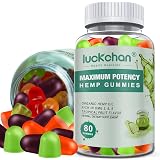
- **Edibles and Beverages:** CBD-infused products are very popular. Teas, coffee blends, and even beer exist. Gummies and chocolates are also common. These offer a discreet way to consume CBD. Effects may take longer to appear. They can last longer, however.
- **Capsules:** These provide a precise dose. They are easy to incorporate into a routine. Capsules are ingested like any other supplement. They offer a convenient option for many.
Important Considerations for CBD Use
The market for CBD is still relatively new. Studies on its long-term effects are ongoing. It is always wise to proceed with caution. The video mentioned important advice. Consulting a healthcare professional is recommended. This step is crucial before trying any new supplement.
It is important to discuss your health history. Any existing medications should be mentioned. A doctor can offer personalized guidance. They can help determine if CBD is right for you. They can also advise on proper dosing. This ensures your safety and well-being. While side effects are minimal, individual reactions can vary. There is no proven potential for abuse or dependence. However, responsible use is always encouraged. Quality and purity of products also differ. Look for reputable brands. Third-party lab testing ensures transparency. Always prioritize your health. Make informed decisions about **CBD and anxiety** relief.
Calming Your Concerns: A Q&A on CBD and Anxiety
What is CBD?
CBD, or cannabidiol, is a natural compound found in the cannabis plant. Unlike THC, it does not produce intoxicating effects and won’t make you feel “high.”
How is CBD different from THC?
THC is the compound in cannabis known for its psychoactive effects that cause a “high.” CBD interacts with the body differently, offering calming effects without altering your mental state.
Where does CBD usually come from?
CBD is primarily sourced from hemp plants, which are specifically cultivated cannabis plants containing very low levels (less than 0.3%) of THC, ensuring no intoxicating effects.
How might CBD help with anxiety or stress?
CBD interacts with the body’s endocannabinoid system, which helps regulate mood and relaxation. Many individuals report it can promote feelings of calmness and improve sleep quality.
What are some common ways to use CBD?
CBD is available in various forms, including oils and tinctures taken under the tongue, topical creams, edibles like gummies, and capsules for convenient dosing.