
In recent years, a growing number of individuals, reportedly over 30% of Americans, have indicated interest in or use of natural remedies for common ailments like anxiety and pain. As was discussed in the accompanying video, one such compound gaining significant attention is Cannabidiol, more widely known as CBD. This powerful cannabinoid, which is derived from the cannabis plant, has been observed to offer a range of potential wellness benefits without producing any intoxicating effects.
A common misconception that is often clarified about CBD is its non-psychoactive nature. It is consistently highlighted that CBD does not induce the “high” sensation typically associated with cannabis use. This distinction is crucial for many who are exploring natural health alternatives but are wary of mind-altering substances. Rather than affecting cognitive functions in a disorienting way, CBD is understood to interact with the body’s own systems in a much different manner.
Understanding CBD Benefits: A Non-Intoxicating Approach to Wellness
The core of what makes CBD appealing for many individuals lies in its unique interaction with the human body. As a natural compound, it is believed to support the body’s own regulatory systems. This support is thought to be responsible for the wide array of potential benefits that are frequently reported by users seeking natural solutions for their well-being.
It is important to remember that CBD is merely one of over a hundred cannabinoids identified in the cannabis plant. Unlike its counterpart, THC (tetrahydrocannabinol), CBD is not known for its intoxicating properties. Therefore, it has become a preferred option for those wishing to explore the therapeutic potential of cannabis without experiencing any psychoactive effects. This characteristic alone makes it a remarkable subject of scientific and public interest.
CBD for Anxiety Relief: Calming the Mind Naturally
For individuals grappling with persistent feelings of unease or worry, the prospect of finding effective anxiety relief is often a primary concern. CBD has been widely discussed for its potential to help manage symptoms related to anxiety. Many users have reported a noticeable calming effect when CBD is incorporated into their wellness routines.
The mechanisms through which CBD may alleviate anxiety are an active area of research. It is thought that CBD influences serotonin receptors in the brain, which play a vital role in regulating mood and social behavior. Imagine if a substance could gently encourage your brain’s natural “feel-good” chemicals to work more effectively; this is a simplified view of how CBD might assist with anxiety. Furthermore, its general calming effect is often attributed to a reduction in stress, allowing for a more relaxed state.
It has been observed that CBD’s anti-inflammatory properties might also contribute to its anxiety-reducing effects. Inflammation within the brain has been linked to various mental health conditions, including anxiety. Therefore, a reduction in systemic inflammation could lead to an overall improvement in mood and a decrease in anxious feelings. This holistic approach to well-being is often sought by those looking for comprehensive solutions.
Addressing Discomfort: CBD for Pain Relief
Chronic pain is a pervasive issue that significantly impacts the quality of life for millions globally. The search for effective and sustainable pain relief methods without severe side effects is constant. CBD has emerged as a promising natural alternative for managing various types of physical discomfort and pain, as highlighted in the video.
The anti-inflammatory properties of CBD are particularly relevant when discussing its role in pain management. Many types of pain, especially chronic pain conditions such as arthritis or neuropathic pain, are underpinned by inflammation. When inflammation is reduced, the associated pain signals sent to the brain can also be diminished. This is often described as working at the source of the pain rather than just masking the symptoms.
Consider the scenario where daily aches and stiffness limit your mobility or enjoyment of activities. It is believed that by moderating the body’s inflammatory responses, CBD can help in mitigating these forms of pain. Furthermore, CBD is thought to interact with receptors in the endocannabinoid system (ECS), a complex network in the body that helps regulate pain, mood, and sleep. Through these interactions, the perception of pain can be influenced, potentially leading to a greater sense of comfort.
Beyond Anxiety and Pain: Mental Focus and Clarity with CBD
While often celebrated for its effects on anxiety and pain, CBD is also recognized for its potential to enhance mental focus and clarity. This benefit might seem counterintuitive to some, especially given the association of cannabis with impaired cognition. However, as previously emphasized, CBD does not produce the same intoxicating effects as THC.
Instead, the reported improvements in mental focus could be attributed to a general reduction in mental ‘noise’ and stress. Imagine if your mind could be less cluttered by anxious thoughts or discomfort; this could naturally lead to enhanced concentration and a clearer thought process. When the mind is calmer and less distracted by internal stressors, it is often more capable of sustained attention and cognitive performance.
It is understood that CBD can promote a more balanced state within the body, which extends to mental processing. This ‘balanced state’ can lead to an increased sense of alertness and an improved ability to concentrate on tasks. Therefore, for those seeking not only relief from discomfort but also a sharper, more focused mind, CBD is being explored as a natural aid.
Exploring Forms of CBD and Important Considerations
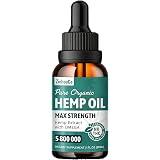
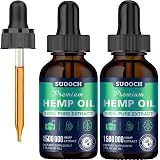
When considering the integration of CBD into a wellness routine, it is important to understand the various forms in which it is available. These include oils and tinctures, capsules, edibles, and topical creams. Each form offers different benefits, particularly regarding onset time and duration of effects. For instance, tinctures applied under the tongue are often absorbed more quickly into the bloodstream.
Furthermore, consumers are often presented with choices between full-spectrum, broad-spectrum, and CBD isolate products. Full-spectrum CBD contains all compounds found naturally in the cannabis plant, including trace amounts of THC (within legal limits). Broad-spectrum CBD contains multiple cannabinoids but no THC, while CBD isolate is pure CBD with no other cannabinoids. The selection depends on individual preferences and sensitivities, especially concerning THC exposure.
It is always recommended that individuals consult with a healthcare professional before beginning any new supplement regimen, including CBD. This ensures that it is appropriate for one’s specific health needs and will not interact negatively with existing medications. Proper dosage is also a critical factor; it is often advised to start with a low dose and gradually increase it until the desired effects are achieved. This careful approach helps in personalizing the CBD experience for optimal CBD benefits, whether for anxiety or for pain relief.
Still Wondering? Your CBD Anxiety & Pain Relief Questions Answered.
What is CBD?
CBD, or Cannabidiol, is a natural compound derived from the cannabis plant. It’s known for its potential wellness benefits without causing any intoxicating effects.
Will CBD make me feel high?
No, CBD will not make you feel high. It is non-psychoactive, meaning it does not produce the ‘high’ sensation commonly associated with cannabis.
What are some common reasons people use CBD?
People often use CBD to help with anxiety relief and pain management. It is also explored for its potential to improve mental focus and clarity.
How might CBD help with pain?
CBD is believed to help with pain primarily due to its anti-inflammatory properties, which can reduce inflammation that often causes discomfort. It also interacts with the body’s systems that regulate pain.