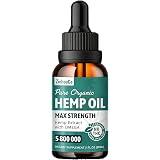

The use of cannabidiol, widely known as CBD, for pets has surged in popularity, prompting many pet owners to explore its potential benefits for their beloved dogs and cats. As the market for pet CBD products continues to expand, making an informed decision about quality, dosage, and administration is paramount. The accompanying video offers an excellent introductory guide to seven critical considerations before integrating CBD into your pet’s wellness routine. This article delves deeper into these essential points, providing an extensive resource to ensure your furry companion receives the safest and most effective care when considering CBD for pets.
Understanding the Source and Ensuring Quality: The Foundation of Safe CBD for Pets
When considering CBD for your pet, the journey begins long before the product reaches the bottle: it starts with the plant itself. The quality of the hemp plant is the fundamental determinant of the final CBD product’s safety and efficacy. Pet owners must critically evaluate the source, ensuring the company exhibits transparency regarding its cultivation practices and manufacturing processes. A reputable supplier will often cultivate their own hemp, allowing for stringent quality control from seed to sale. This oversight minimizes the risk of contaminants and ensures the plant is grown without harmful pesticides, herbicides, or synthetic fertilizers that could ultimately end up in your pet’s system.
Beyond cultivation, the extraction method plays a pivotal role. The video highlights the importance of “green extraction methods,” specifically CO2 extraction. This sophisticated process uses pressurized carbon dioxide to safely pull CBD and other beneficial compounds from the hemp plant without harsh chemical residues. In contrast, cheaper, less reputable companies may resort to solvent-based extraction using substances like acetone, butane, or propane. These solvents can leave behind trace amounts of carcinogenic or neurotoxic residues, posing serious health risks to pets. Therefore, always prioritize products explicitly stating they use CO2 extraction, ensuring a pure and uncontaminated CBD oil for your pet.
The ultimate verification of quality comes through third-party laboratory testing. This independent analysis is non-negotiable for any CBD product intended for pets. Reputable companies provide readily accessible Certificates of Analysis (COAs) for each batch, typically available on their website or via a QR code on the packaging. These reports confirm the product’s CBD content, ensuring it matches the label claim, and verify the absence of harmful substances such as heavy metals, mycotoxins, pesticides, residual solvents, and microbial contaminants. Opting for CBD products for dogs and cats with verified third-party testing offers peace of mind, assuring you are giving your pet a clean and potent product.
The Entourage Effect: Why Whole Plant Extracts Matter for Canine and Feline Wellness
Just as a single musical instrument contributes to an orchestra’s rich symphony, the compounds within the cannabis plant work synergistically to produce a more profound effect than any isolated component. This concept, elegantly described as the “Entourage Effect” in the video, underscores the superiority of whole plant CBD extracts over isolated CBD. The hemp plant contains over a hundred different cannabinoids, terpenes, and flavonoids, each with unique therapeutic properties. When these compounds are consumed together, they interact to amplify each other’s benefits, creating a comprehensive therapeutic profile that is more effective than CBD acting alone.
Consider the analogy of an orange versus a vitamin C tablet. While a tablet provides a concentrated dose of ascorbic acid, an orange offers a complete package of vitamins, minerals, fiber, and phytonutrients that work together for optimal absorption and health benefits. Similarly, a whole plant hemp extract for pets includes not just CBD but also minor cannabinoids like CBG, CBC, and CBN, along with aromatic terpenes (e.g., myrcene, limonene, pinene) and flavonoids. Terpenes, for instance, are known to contribute to anti-inflammatory, anti-anxiety, and pain-relieving effects, enhancing CBD’s inherent capabilities. This complex interplay results in broader therapeutic actions, addressing a wider range of symptoms and promoting overall health and wellness in a more holistic manner for your dog or cat.
Choosing a whole plant, or “full-spectrum,” extract for your pet ensures they benefit from this powerful synergy. Such extracts contain a trace amount of THC (below the legal limit of 0.3%), which is non-psychoactive at these levels but still contributes to the Entourage Effect. For pet owners concerned about THC, broad-spectrum extracts offer a similar range of cannabinoids and terpenes but with undetectable levels of THC. In either case, prioritizing products that harness the full potential of the hemp plant offers a more robust and effective approach to leveraging cannabidiol for pets.
Precision in Dosing: Achieving Optimal Therapeutic Effects
Accurate dosing is a critical, yet often overlooked, aspect of administering CBD to pets. The video emphasizes this as a “pet peeve” of veterinarians, highlighting the challenges many liquid tinctures present in delivering a precise dose. The therapeutic window for CBD in animals can be quite specific; too little may yield no results, while too much could potentially lead to mild sedation or gastrointestinal upset. Therefore, obtaining the correct amount is essential for achieving the desired health benefits without adverse reactions.
The key to accurate dosing lies in the tincture bottle’s design. Look for products that feature a medical-grade dropper with clear, incremental markings, or, as demonstrated in the video, a dropper that consistently dispenses single drops of uniform size. This allows pet owners to meticulously measure the exact quantity, typically expressed in milligrams (mg), corresponding to their pet’s weight and specific condition. Many manufacturers suggest a starting dose of approximately one milligram of CBD per ten pounds of body weight, given once or twice daily. However, this is merely a guideline, and individual responses can vary.
Moreover, understanding the concentration of CBD in the tincture is vital. A 30ml bottle containing 300mg of CBD will deliver a different amount per drop than a 30ml bottle containing 600mg. Reputable brands will clearly state the total CBD content and the milligrams of CBD per serving or per drop. This allows for straightforward calculation and precise administration, empowering pet owners to confidently adjust the dose under veterinary guidance to find the optimal therapeutic effect for their dog or cat. This meticulous approach to CBD dosage for pets helps ensure safety and effectiveness.
The Carrier Oil Debate: MCT Oil vs. Hemp Seed Oil for Pet CBD
The choice of carrier oil in CBD products for pets is another crucial element that impacts efficacy and tolerability. CBD extracted from the hemp plant is highly concentrated and requires dilution in a carrier oil to improve absorption, aid preservation, and facilitate accurate dosing. While MCT (medium-chain triglyceride) oil, often derived from coconut, is a popular choice due to its stability and purported bioavailability benefits, it comes with potential drawbacks for some animals. The video correctly points out that many pets, similar to humans, can experience gastrointestinal upset, including vomiting and diarrhea, from MCT oil. This discomfort can deter consistent administration and detract from the overall therapeutic experience.
The underlying reason for MCT oil’s potential to cause stomach upset lies in its rapid metabolism. While beneficial for quick energy, some pets’ digestive systems are not accustomed to processing such fats efficiently, leading to irritation. Furthermore, introducing an oil from a different plant (coconut) when the primary ingredient (cannabidiol) originates from hemp can be considered less ideal from a holistic perspective. The body has to metabolize two distinct oils, which may not always be as harmonious as using a single plant source.
In contrast, hemp seed oil stands out as the ideal carrier oil for CBD for pets. As the name suggests, it is derived from the same plant species as CBD, offering a natural and complementary vehicle. Hemp seed oil is rich in essential fatty acids, including Omega-3 and Omega-6, in an optimal ratio, which are beneficial for skin, coat, joint health, and overall immune function. Its mild flavor is generally well-tolerated by pets, minimizing the risk of digestive upset. By combining CBD with hemp seed oil, the product maintains a “whole plant” synergy, enhancing the Entourage Effect and providing additional nutritional benefits, creating a more cohesive and beneficial supplement for your dog or cat.
Navigating Drug Interactions: A Crucial Discussion with Your Veterinarian
The increasing use of CBD for pets necessitates a thorough understanding of potential drug interactions, a topic that often receives insufficient attention online. While many sources might claim zero interactions, the reality is more nuanced. CBD is metabolized in the liver by a family of enzymes known as cytochrome P450 (CYP450). This enzyme system is responsible for breaking down a vast array of drugs and toxins, including many common veterinary medications. When CBD is administered alongside drugs that also rely on the CYP450 pathway for metabolism, it can compete for these enzymes. This competition can potentially inhibit the metabolism of other drugs, leading to increased blood levels and heightened risk of side effects, or conversely, accelerate their breakdown, reducing their efficacy.
Fortunately, for most dogs and cats on standard therapeutic CBD doses (e.g., 1 mg per 10 pounds of body weight), significant interactions are often rare. However, the potential is undeniable, especially with certain classes of medications. The video specifically mentions non-steroidal anti-inflammatory drugs (NSAIDs) such as Metacam and Rimadyl, and corticosteroids like prednisone, as common veterinary drugs metabolized by the same enzymes. Other medications that can be affected include certain anti-epileptics, antihistamines, sedatives, anti-anxiety medications, and even some heart medications. Because the consequences of drug interactions can range from mild discomfort to serious health complications, it is absolutely essential to consult with your veterinarian before starting your pet on CBD, particularly if they are already on any other prescription medications.
Your veterinarian can assess your pet’s individual health profile, consider all current medications, and advise on appropriate dosing adjustments or monitoring protocols if CBD is to be introduced. They may recommend starting with a lower CBD dose for your pet and gradually increasing it, or suggest careful monitoring for any signs of adverse effects or changes in the efficacy of other drugs. This proactive approach ensures that CBD is integrated safely and effectively, complementing rather than compromising your pet’s existing medical treatments.
Optimal Administration Methods: Maximizing CBD Absorption for Pets
The effectiveness of CBD for pets is significantly influenced by how it is administered. Different methods yield varying rates of absorption and bioavailability, which refers to the proportion of the administered dose that reaches the bloodstream. While simply adding CBD oil to your pet’s food or treats (edibles) is convenient, it is not the most efficient route. When ingested orally, CBD must first pass through the digestive system and liver, where it undergoes what is known as “first-pass metabolism.” This process breaks down a significant portion of the CBD before it can enter the systemic circulation, reducing its overall bioavailability and potentially delaying its onset of action.
For optimal absorption and quicker effects, sublingual administration is often recommended. As demonstrated in the video with Tula, applying CBD oil directly onto the pet’s gums or underneath the tongue allows the compounds to be absorbed through the mucous membranes directly into the bloodstream. This method bypasses the digestive system and liver, leading to higher blood levels of CBD and a more rapid onset of action. While some pets may initially resist, many tolerate it well, especially if the oil has a palatable flavor like hemp seed oil. Introducing it slowly, perhaps by placing a drop on a finger and gently rubbing it on their gums, can help them acclimate.
Beyond oral and sublingual methods, topical application is emerging as a valuable option for certain conditions. As the video illustrates with Murray the cat, applying decarboxylated CBD oil transdermally, such as inside the ear flap, allows for localized absorption through the skin. Decarboxylation is a process that activates the cannabinoids, making them bioavailable for absorption. This method is particularly beneficial for pets that are difficult to medicate orally or for targeting localized issues like joint pain, skin irritations, or muscle soreness. While systemic absorption is generally lower with topical application compared to sublingual, it can be very effective for focal relief without the need for internal consumption, offering a versatile approach to using CBD for your pet’s well-being.
Getting the Full Scoop on Pet CBD: Your Questions Answered
How can I tell if a CBD product for my pet is high quality and safe?
Look for companies that are transparent about their hemp source and use CO2 extraction. Always check for third-party lab testing results, called Certificates of Analysis (COAs), which confirm purity and CBD content.
What is a ‘whole plant’ CBD extract, and why is it better for my pet?
A ‘whole plant’ or ‘full-spectrum’ extract contains various beneficial compounds from the hemp plant, like cannabinoids, terpenes, and flavonoids. These compounds work together in what’s called the ‘Entourage Effect’ to provide more comprehensive benefits than isolated CBD.
How can I make sure I give my pet the correct dose of CBD?
Choose products with medical-grade droppers that have clear markings for precise measurement. It’s often recommended to start with a low dose, like 1 milligram of CBD per 10 pounds of body weight, and adjust under veterinary guidance.
What kind of oil should pet CBD products be mixed with?
Hemp seed oil is generally considered the ideal carrier oil for pet CBD, as it’s from the same plant and provides additional nutritional benefits. Some pets may experience stomach upset with MCT oil, a common alternative.
Is it safe to give my pet CBD if they are already taking other medications?
CBD can interact with some medications by affecting how the liver processes them. It’s crucial to always consult your veterinarian before starting your pet on CBD, especially if they are on other prescription drugs.