
Imagine the relief of watching your beloved canine companion, once plagued by discomfort or anxiety, finally find peace and improved well-being. This vision is precisely why many pet parents explore natural solutions like CBD for their dogs. However, embarking on this journey often comes with a flurry of questions: How much is too much? Will it cause drowsiness? Is it truly safe? The video above offers a fantastic introduction to understanding CBD dosage for dogs, clarifying many common misconceptions and providing essential guidelines.
While the video provides excellent foundational knowledge, delving deeper into the nuances of administering CBD to your dog can empower you further. This comprehensive guide complements the insights shared, expanding on critical aspects like precise dosing strategies, comparing different CBD formats, understanding the science behind its effectiveness, and navigating potential interactions. Ultimately, our aim is to equip you with the detailed information necessary to confidently support your dog’s health with CBD, ensuring their safety and maximizing the potential benefits.
Understanding Safe Starting Points for CBD Dosage for Dogs
Determining the correct CBD dosage for dogs is paramount for ensuring both effectiveness and safety. According to veterinary guidelines, a prudent starting point involves administering 1 milligram (mg) of CBD for every 10 pounds of your dog’s body weight, twice daily. This low, yet often effective, dose provides a safe foundation from which you can gradually adjust, carefully observing your dog’s response and tailoring the amount to their specific needs. It is reassuring to know that extensive research indicates dogs possess a wide safety margin for CBD, tolerating significantly higher amounts than the typical recommended dosages without adverse effects.
Nevertheless, adhering to thoughtful dosing practices is crucial because even a beneficial compound can lead to temporary side effects if given in excess. Providing an overly generous dose of CBD may result in mild, transient symptoms such as drowsiness, increased lethargy, loose stools, or subtle changes in appetite. These indicators typically suggest that the dosage is simply too high for your dog’s current tolerance or weight. By starting low and increasing incrementally, you mitigate the risk of these minor inconveniences, allowing your dog to comfortably adapt to the CBD regimen.
Dosing Examples: Putting Guidelines into Practice
To illustrate the practical application of these guidelines, consider a hypothetical scenario. Imagine your furry friend, a Labrador Retriever, weighs approximately 50 pounds. Utilizing the initial recommendation of 1 milligram per 10 pounds of body weight, your 50-pound dog would ideally require 5 milligrams of CBD per dose, administered twice daily. Furthermore, understanding the concentration of your chosen product is vital; for instance, if your CBD oil contains 10 milligrams of CBD per full milliliter (mL) dropper, your 50-pound dog would receive precisely half a dropper, or 0.5 mL, twice each day.
This clear conversion between milliliters (liquid volume) and milligrams (active CBD compound) is an indispensable feature of any high-quality CBD product, streamlining the dosing process for pet owners. Such transparency enables you to easily measure and administer the precise amount, and importantly, allows for seamless adjustments over time. Typically, you can consider increasing the dose by a small increment every 7 to 10 days, if necessary, until you observe the desired positive effects. However, always remain within established safe limits and consult with your veterinarian before making significant changes, especially if your dog has underlying health conditions.
Administering CBD: Oil vs. Chews for Canine Wellness
When it comes to giving CBD to your dog, pet parents primarily choose between two convenient and efficient formats: oils and chews. Each offers distinct advantages, making the best choice dependent on your dog’s preferences and your lifestyle. Comprehending the administration methods for each option is vital for maximizing absorption and ensuring your dog receives the full benefit of their CBD supplement for their overall wellness.
The Art of Administering CBD Oil
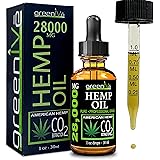
CBD oil, often presented in dropper bottles, offers superior versatility and often higher bioavailability. The most effective method of administration involves placing the oil directly into your dog’s cheek pouch or underneath their tongue. This strategic placement allows the CBD to be absorbed rapidly through the rich network of blood vessels in the oral mucosa, effectively bypassing the digestive system. Consequently, a greater percentage of the active compounds reaches your dog’s bloodstream, leading to more immediate and potent effects.
Should your dog be less receptive to direct oral administration, mixing the CBD oil into their food presents a viable alternative. While this method is generally easier for picky eaters, it is important to acknowledge that absorption (bioavailability) may be slightly reduced due to the digestive process. The CBD must first pass through the liver, where some of it can be metabolized before entering the bloodstream. A crucial “pro tip” to remember is to avoid mixing CBD oil into your dog’s water bowl. Oil and water do not readily combine, meaning the CBD will likely float on the surface or cling to the bowl, preventing your dog from consuming the proper and intended dosage.
The Simplicity of CBD Chews
For many pet owners, CBD chews represent an incredibly straightforward and convenient method for administering their dog’s daily supplement. Most dogs find these palatable and eagerly consume them, eliminating the need for any disguise or complex administration techniques. The pre-measured nature of chews ensures consistent dosing with minimal effort; simply give your dog the appropriate number of chews based on their weight, as indicated on the product packaging.
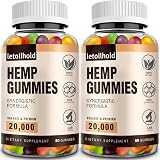
Beyond their ease of use, many CBD chews are formulated with additional functional ingredients designed to target specific canine needs. For instance, some hip and joint hemp chews may incorporate ingredients such as Glucosamine, MSM (Methylsulfonylmethane), and Green Lipped Mussel, which are renowned for their joint-supportive properties. Similarly, calming hemp chews often contain natural relaxants like Chamomile, L-Theanine, and Valerian Root to help dogs manage stress or anxiety. This multi-benefit approach makes chews an excellent option for comprehensive canine wellness and specialized support.
Oils vs. Chews: Making the Right Choice for Your Dog
The decision between CBD oils and chews ultimately hinges on a combination of your dog’s specific needs, their individual temperament, and your daily routine. Both formats are highly effective in delivering the benefits of CBD, yet each possesses distinct characteristics that may make one more suitable than the other for certain situations. Understanding these differences allows you to make an informed choice that best supports your dog’s health and your convenience.
CBD oils typically offer superior absorption rates, particularly when administered directly to the gums or under the tongue. This method facilitates a quicker onset of effects and often proves more cost-efficient in the long term, as less product is lost to digestion. Oils also provide greater flexibility in adjusting dosages, allowing you to fine-tune the amount in small increments until you pinpoint your dog’s optimal level. They are an excellent choice for targeted support and for dogs who may require precise, easily adjustable dosages.
Conversely, CBD chews excel in terms of convenience and ease of administration. Their pre-measured doses remove any guesswork, and their palatable nature ensures enthusiastic consumption from most dogs. Furthermore, the inclusion of supplementary functional ingredients in many chews provides an integrated approach to canine wellness, addressing multiple health concerns simultaneously. Many pet parents find chews ideal for routine daily use or for managing situational anxiety, such as during travel or thunderstorms, due to their grab-and-go simplicity. In some cases, pet owners even choose to utilize both — an oil for daily holistic support and chews for specific routine or situational needs.
What to Expect: Results and Timelines for CBD for Dogs
When introducing CBD for dogs into their regimen, understanding what results to anticipate and the typical timeline for observing these changes is crucial for managing expectations. CBD primarily functions by interacting with your dog’s Endocannabinoid System (ECS), a complex and vital regulatory network present throughout the brain and body. This intricate system plays a pivotal role in maintaining homeostasis, influencing critical functions such as sleep patterns, stress response, inflammation management, pain perception, and mood regulation.
The speed at which you observe improvements can vary significantly among individual dogs and largely depends on the specific condition being addressed. For dogs experiencing acute stress, such as during a thunderstorm, or those with immediate discomfort, some pet parents report noticing positive changes within a few days of consistent use. However, when tackling chronic issues—such as persistent joint discomfort, generalized anxiety, or ongoing inflammation—it is generally advisable to allow a more extended period. Full therapeutic effects often become apparent after two to four weeks of consistent daily administration.
To effectively gauge your dog’s progress, maintaining a simple journal can be incredibly helpful. Track changes in their mobility, assess any shifts in appetite, monitor their sleep quality, and observe their overall mood and demeanor. Initially, progress may manifest subtly, perhaps as a slight increase in comfort or a marginal reduction in anxious behaviors. However, with continued use, these subtle improvements often compound, becoming more evident and significantly enhancing your dog’s quality of life. Patience and consistency are truly key when leveraging the benefits of CBD for long-term canine wellness.
Safety, Dosage Limits, and Important Drug Interactions with CBD for Dogs
The safety profile of CBD for dogs is remarkably strong, making it a trusted option for many pet parents. A significant study conducted by the National Animal Supplement Council (NASC) affirmed that CBD is generally well-tolerated in canines, even at higher doses, when using high-quality, hemp-derived products. Instances of severe side effects were minimal, reinforcing its reputation as a safe supplement. Nonetheless, adherence to specific safety notices and guidelines is essential to ensure optimal outcomes and prevent any potential issues.
A widely accepted safety benchmark dictates that pet owners should not exceed 10 milligrams of CBD per 10 pounds of a dog’s body weight per day, unless explicitly advised by a veterinarian. Exceeding this general maximum dosage significantly increases the likelihood of temporary side effects, which may include increased sluggishness, episodes of diarrhea, or general stomach upset. These effects are typically mild and resolve once the dosage is reduced, but they highlight the importance of careful administration and monitoring when exploring CBD for dogs.
Choosing Reputable Products and Understanding THC
The market for CBD products can be vast and varied, thus selecting a trusted brand is paramount. Unfortunately, unregulated or “sketchy” CBD oils may contain excessive levels of THC (tetrahydrocannabinol), the psychoactive compound found in cannabis. While legal, trace amounts of THC—specifically, under 0.3%—are considered safe for dogs and are actually beneficial. This small percentage contributes to what is known as the “entourage effect,” where cannabinoids and terpenes work synergistically to enhance CBD’s therapeutic properties. However, higher concentrations of THC can be dangerous, potentially leading to ataxia (a neurological reaction causing loss of coordination), lethargy, or other serious adverse effects in dogs. Always ensure your chosen product is third-party lab tested to verify THC levels and overall purity.
Crucially, pet owners must never use human CBD products on dogs. Many human formulations contain ingredients that are highly toxic to pets, such as Xylitol (a sugar substitute) or certain essential oils. Even plain human CBD products can be far too concentrated for a dog’s smaller body weight and different metabolic rate, leading to inadvertent overdosing. Prioritize products specifically formulated and labeled for canine use to ensure their safety and appropriate concentration for your furry friend.
Navigating Drug Interactions with CBD for Dogs
It is imperative to acknowledge that CBD may interact with certain medications, particularly those metabolized by the liver’s cytochrome P450 (CYP450) enzyme system. This enzyme family plays a critical role in processing a wide array of drugs, and CBD can inhibit its activity. Consequently, if CBD is given concurrently with medications that rely on CYP450 for metabolism, it could potentially alter the concentration of those drugs in your dog’s system—either increasing them to toxic levels or decreasing them to ineffective levels.
Examples of common medications that may interact with CBD include:
- **NSAIDs (Non-Steroidal Anti-Inflammatory Drugs):** Such as Rimadyl (carprofen) and Metacam (meloxicam), commonly prescribed for pain and inflammation.
- **Anti-Seizure Medications:** Including phenobarbital, used to manage epilepsy.
- **Steroids:** Like prednisone, often used for inflammation and immune suppression.
- **Certain Allergy and Anxiety Medications:** These can also be metabolized by the CYP450 system.
Therefore, if your dog is currently on any prescribed medications, it is absolutely essential to consult with your veterinarian before introducing CBD. Your vet can provide guidance on safe integration, potential dosage adjustments for existing medications, or recommend alternative approaches, ensuring the best and safest outcome for your dog’s health.
Choosing the Right CBD for Dogs: Full Spectrum vs. Broad Spectrum vs. Isolate
Navigating the various types of CBD for dogs available can be a bit perplexing, but understanding the distinctions between Full-Spectrum, Broad-Spectrum, and CBD Isolate is essential for making an informed choice for your pet’s health. Each type offers a different cannabinoid and terpene profile, which directly impacts its potential therapeutic efficacy and how it interacts with your dog’s Endocannabinoid System.
Full-Spectrum CBD for Dogs: The Entourage Effect
Full-Spectrum CBD products are considered the most comprehensive option because they contain a rich array of cannabinoids, including CBD, trace amounts of THC (always within the legal limit of under 0.3%), and other minor cannabinoids like CBG (cannabigerol) and CBC (cannabichromene). Furthermore, they incorporate beneficial terpenes and flavonoids naturally found in the hemp plant. This diverse profile allows for what is known as the “entourage effect,” a synergistic phenomenon where all these plant compounds work together, enhancing each other’s therapeutic properties and delivering a more robust and effective outcome than CBD alone.
For pet owners seeking the most holistic and potent effects, Full-Spectrum CBD is often the top recommendation, assuming your dog tolerates trace amounts of THC. The inclusion of the full plant profile is believed to amplify the anti-inflammatory, pain-relieving, and anxiety-reducing benefits of CBD. Reputable brands exclusively utilize this type in their products, aiming to harness the full natural potential of the hemp plant for optimal canine wellness.
Broad-Spectrum CBD for Dogs: THC-Free Full Benefits
Broad-Spectrum CBD products offer a compelling alternative for pet parents who prefer to avoid THC entirely, even in trace amounts, while still benefiting from the entourage effect. These formulations are similar to Full-Spectrum products in that they contain various cannabinoids (like CBD, CBG, CBC) and terpenes, but they undergo an additional processing step to meticulously remove all detectable traces of THC. This ensures that your dog receives a wide range of beneficial plant compounds without any psychoactive risk.
While Broad-Spectrum CBD is generally considered effective, some anecdotal evidence and manufacturer experiences suggest it may be marginally less potent than its Full-Spectrum counterpart due to the complete absence of THC. However, for dogs with sensitivities or for owners who simply prefer a THC-free product, Broad-Spectrum remains an excellent and highly beneficial option, providing a significant step up from isolates.
CBD Isolate for Dogs: Pure CBD
CBD Isolate represents the purest form of CBD, containing 99% or more CBD with all other plant compounds—including cannabinoids, terpenes, flavonoids, and THC—filtered out. While a pure form of CBD might seem appealing, it often results in a less effective product. Without the synergy of the entourage effect, CBD isolate may not deliver the same comprehensive therapeutic benefits as Full-Spectrum or Broad-Spectrum options.
Consequently, many experts and pet wellness brands advise against using CBD isolate oils for pets, as they tend to be less efficacious and require higher doses to achieve similar results. The absence of other beneficial compounds means your dog misses out on the natural amplification that the full plant profile offers. Pet owners are encouraged to prioritize products that leverage the complete natural complexity of the hemp plant for optimal canine health.
Hemp Seed Oil: Not a CBD Product
It is crucial to differentiate between true CBD products and “Hemp Seed Oil.” Hemp seed oil is derived exclusively from the seeds of the hemp plant, and while it is highly nutritious—rich in omega fatty acids, vitamins, and minerals—it contains little to no CBD. If your goal is to provide your dog with the therapeutic benefits associated with cannabinoids, hemp seed oil will not deliver the desired effects.
True CBD for dogs is extracted from the flowers, stalks, and leaves of the hemp plant, where cannabinoids naturally occur in abundance. Always check product labels carefully to ensure you are purchasing a genuine CBD extract rather than just hemp seed oil, which, while healthy, does not provide the specific benefits pet parents seek from CBD. Unless a veterinarian advises otherwise for a specific nutritional purpose, choose products clearly labeled as containing CBD for the best results.
Utilizing high-quality CBD for dogs involves understanding these product types and selecting one that aligns with your pet’s needs and your preferences. Full-Spectrum is typically recommended for its robust effects, but Broad-Spectrum offers a strong alternative for those avoiding THC. Always remember to prioritize third-party tested products from reputable brands to ensure purity and potency.
Your Canine CBD Queries: Dosing Guidance for Happy Paws
What is a safe starting CBD dosage for my dog?
A good starting point is 1 milligram (mg) of CBD for every 10 pounds of your dog’s body weight, given twice daily. You can gradually adjust this dose while watching your dog’s response.
What are the main ways to give CBD to my dog?
You can give CBD to your dog using either oils or chews. Oils offer versatile dosing and often faster absorption, while chews are convenient, pre-measured, and most dogs find them tasty.
What happens if I give my dog too much CBD?
If your dog receives too much CBD, they might experience mild, temporary side effects like drowsiness, increased lethargy, loose stools, or changes in appetite. These effects usually resolve once the dosage is reduced.
How long does it take for CBD to start working in dogs?
For acute problems, some improvements might be noticed within a few days, but for chronic issues, it generally takes two to four weeks of consistent daily use to see the full therapeutic benefits.
Can I give my dog human CBD products?
No, you should never use human CBD products for dogs. Many human formulations contain ingredients toxic to pets, like Xylitol, or are too concentrated for a dog’s smaller body.