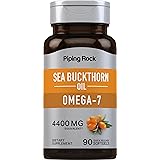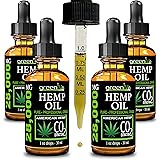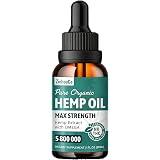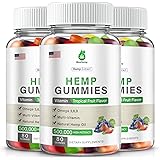

The world of wellness is constantly evolving, and among the many natural compounds gaining significant attention is CBD Oil. If you just watched the video above, you already have a good grasp of the fundamentals. This powerful extract from the cannabis plant offers a range of potential health benefits without the psychoactive effects often associated with cannabis. Let’s delve deeper into what makes CBD Oil a remarkable natural remedy, expanding on the key insights from the video and providing a more comprehensive guide for those looking to understand its potential.
What Exactly is CBD Oil? Separating Fact from Fiction
At its core, CBD Oil, or cannabidiol, is a compound found in cannabis plants. However, a crucial distinction exists between its two primary sources: hemp and marijuana. Imagine two siblings from the same family; they share some characteristics but have very different personalities. Marijuana, the well-known sibling, is rich in THC (tetrahydrocannabinol), the compound responsible for the “high” sensation. Hemp, on the other hand, is the low-key sibling, containing very minimal levels of THC, typically less than 0.3%.
1. **No “High” Effect:** The primary takeaway is that CBD Oil derived from hemp will not get you high. It interacts with your body’s endocannabinoid system in a way that promotes balance and well-being, rather than altering your state of mind. This means you can explore its potential benefits without the intoxicating effects of marijuana.
2. **How it’s Made:** CBD Oil is extracted from the leaves, stalks, and flowers of the hemp plant. The resulting oil can then be refined and mixed with a carrier oil, such as coconut or hemp seed oil, to create the various products you see on the market.
Exploring the Many Forms of CBD Oil Products
One of the reasons for CBD Oil’s growing popularity is its versatility. Just like there are many ways to enjoy coffee, there are numerous forms of CBD products designed to fit different preferences and needs. The video highlighted several, and understanding each can help you choose the right product for your routine.
1. **Tinctures and Oils:** These are perhaps the most common forms. CBD extract is dissolved in a carrier oil and usually comes with a dropper. When taken sublingually (under the tongue), CBD is absorbed directly into the bloodstream, offering relatively fast effects, often within 15-45 minutes. It’s like a direct, quick message to your system.
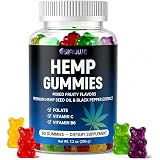
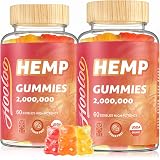
2. **Capsules and Edibles:** For those who prefer a consistent dose and don’t like the earthy taste of some oils, capsules offer a convenient, pre-measured option. Edibles, ranging from gummies to baked goods, provide a tasty way to consume CBD. Both capsules and edibles are processed through the digestive system, meaning effects take longer to appear (30 minutes to 2 hours) but tend to last longer.
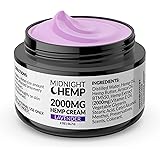
3. **Topical Products:** Creams, balms, and salves infused with CBD are applied directly to the skin. They are ideal for targeted relief, such as soothing sore muscles or addressing localized skin issues. Think of it as a spot treatment, delivering CBD exactly where you need it without entering the bloodstream extensively.
4. **Inhalable Products:** While not for everyone, CBD can also be inhaled through vaping. This method offers the fastest onset of effects, as CBD quickly enters the lungs and then the bloodstream. However, it’s crucial to choose high-quality vape products and be aware of potential respiratory concerns.
Unlocking Wellness: The Diverse Health Benefits of CBD Oil
The video touched on a wide array of potential health benefits, and for good reason. CBD interacts with our body’s complex endocannabinoid system (ECS), which plays a role in regulating many vital functions, including mood, pain sensation, sleep, and immune response. Imagine the ECS as your body’s master regulator, and CBD helps it maintain harmony.
1. **Effective Pain Management:** Many individuals turn to CBD Oil for relief from various types of pain. It has been studied for its potential to alleviate chronic pain, back pain, and nerve pain. Furthermore, it shows promise in reducing the discomfort associated with conditions like multiple sclerosis and fibromyalgia, offering a glimmer of hope for those seeking alternatives to traditional pain medications.
2. **Addressing Anxiety and Mental Health Concerns:** The transcript highlighted CBD Oil’s effectiveness in managing anxiety. A significant study found that participants who consumed a 600mg dose of CBD daily over 14 days experienced a remarkable 40-50% reduction in anxiety scores compared to those on a placebo. This demonstrates its potential as a calming agent. Beyond general anxiety, CBD is also being explored for its benefits in post-traumatic stress disorder (PTSD), helping individuals manage distressing memories and sleep issues linked to trauma. Emerging research even suggests its role in supporting mental health conditions like schizophrenia by potentially modulating neurotransmitter activity.
3. **Support for Neurological Disorders:** The FDA’s approval of Epidiolex, a CBD-based medication, for two rare forms of epilepsy (Lennox-Gastaut syndrome and Dravet syndrome), is a major milestone. This approval underscores CBD’s proven ability to reduce seizure frequency and severity in certain epileptic conditions. Beyond epilepsy, research continues into CBD’s potential benefits for other neurological disorders, including Parkinson’s disease, where it may help alleviate motor symptoms and improve sleep.
4. **Anti-Aging and Anti-Inflammatory Properties:** While not a fountain of youth, CBD Oil is gaining recognition for its anti-aging effects. It works by reducing inflammation in the body, which is a key contributor to cellular aging and many age-related diseases. By helping to quell this internal “fire,” CBD can support overall cellular health and potentially slow down various aging processes.
Navigating Potential Side Effects of CBD Oil
While CBD Oil is generally considered safe and well-tolerated, like any supplement or medication, it can cause side effects in some individuals. These are typically mild and temporary, but it’s important to be aware of them. Think of it like adjusting to a new diet; some initial changes might occur as your body adapts.
1. **Common Mild Side Effects:** Many users report experiencing minor issues such as dry mouth, a feeling of lightheadedness, occasional headaches, and fatigue. Some might notice slight changes in their weight, appetite, or sleep habits. These reactions usually subside as the body adjusts to CBD or with a dosage adjustment.
2. **Less Common, More Serious Effects:** In a smaller number of cases, more pronounced side effects can occur, including nausea, diarrhea, or constipation. Additionally, changes in liver function have been reported in some individuals, particularly those taking higher doses or combining CBD with other medications. It is crucial to consult a healthcare professional, especially if you are on other medications, to avoid potential interactions.
The Crucial Role of Quality in CBD Oil Products
The market for CBD Oil is booming, but not all products are created equal. Just as you wouldn’t buy groceries from an unreliable source, choosing a high-quality CBD product is paramount for safety and effectiveness. The video rightly emphasized this point, and it cannot be overstated.
1. **Third-Party Lab Testing:** A reputable CBD brand will always provide a Certificate of Analysis (COA) from an independent third-party lab. This document verifies the CBD content, confirms that THC levels are below the legal limit of 0.3%, and ensures the product is free from harmful contaminants like pesticides, heavy metals, and mold. No COA? No purchase.
2. **Source of Hemp:** Look for products made from organically grown hemp in the United States or Europe. This indicates stricter agricultural regulations and a lower likelihood of contaminants.
3. **Extraction Methods:** CO2 extraction is generally considered the “gold standard” as it efficiently extracts CBD without using harsh chemical solvents, resulting in a purer product.
4. **Ingredient Transparency:** A quality product will have clear labeling of all ingredients, including the type of CBD (full-spectrum, broad-spectrum, or isolate), the dosage per serving, and any other added ingredients.
Is CBD Oil Legal? Understanding the Legal Landscape
The legality of CBD Oil can sometimes feel like a moving target, but the federal picture is relatively clear. Under the 2018 Farm Bill, CBD products containing less than 0.3% THC are legal at the federal level in the United States. Think of this as the national speed limit; it sets the baseline.
1. **State-Level Variations:** However, just like states can have their own specific traffic laws, individual state laws regarding CBD can vary. While most states have aligned with federal guidelines, some may have additional restrictions or requirements. It is always prudent to check your specific state and even local laws before purchasing or using CBD Oil, especially when traveling.
2. **Evolving Regulations:** The legal landscape is still evolving, with new regulations and clarifications emerging regularly. Staying informed about the latest updates from official government sources can help ensure you remain compliant.
Demystifying CBD: Your Questions Answered
What exactly is CBD Oil?
CBD Oil, or cannabidiol, is a natural compound found in cannabis plants. It is typically extracted from the hemp plant, which contains very low levels of THC.
Will using CBD Oil make me feel “high”?
No, CBD Oil derived from hemp will not make you feel “high.” This is because it contains very minimal levels of THC (less than 0.3%), which is the compound responsible for intoxicating effects.
What are the different ways I can use CBD Oil products?
CBD Oil products come in many forms, including tinctures taken under the tongue, capsules or edibles that are ingested, and topical creams or balms applied to the skin.
What are some potential benefits of CBD Oil?
People often use CBD Oil for its potential to help with pain management, reduce anxiety, and support general wellness. It is also recognized for its anti-inflammatory properties.
Is CBD Oil legal?
Federally, CBD products containing less than 0.3% THC are legal in the United States. However, it’s important to check your specific state and local laws, as regulations can vary.