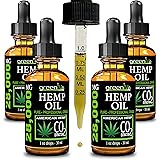

According to recent estimates, over 30% of adults in the United States will experience an anxiety disorder at some point in their lives. This significant statistic underscores the widespread search for effective and sustainable ways to manage feelings of worry, fear, and restlessness. In the accompanying video, Douglas Bloch explores the intriguing question: Is CBD oil for anxiety a miracle cure or just hype? He delves into his research and personal experiences, offering valuable insights into this increasingly popular natural compound.
For many, traditional anxiety medications, while often effective, come with concerns about side effects or potential dependence. Benzodiazepines, a common class of anti-anxiety drugs, are known to be habit-forming, leading many psychiatrists to exercise caution in prescribing them for long-term use. This leaves a significant gap for individuals seeking alternative strategies that can provide relief without these associated risks. Exploring options like CBD oil has become a natural next step for those navigating the complexities of mental wellness.
Understanding CBD: More Than Just Cannabis
Firstly, it is essential to clarify what CBD oil truly is. Cannabidiol, or CBD, is a natural compound found in both the marijuana and hemp plants, both belonging to the cannabis family. Unlike its more famous cousin, THC (tetrahydrocannabinol), CBD is non-psychoactive, meaning it does not produce the “high” associated with marijuana use. This crucial distinction is primarily due to its low THC content, typically less than 0.3% in hemp-derived products, which falls within legal limits.
The story of CBD burst into the national spotlight around 2013, largely propelled by the remarkable case of Charlotte Figi. A six-year-old girl from Colorado, Charlotte suffered from a rare and severe form of epilepsy called Dravet syndrome, experiencing up to 300 grand mal seizures every week. Her parents, desperate for a solution, discovered a strain of marijuana high in CBD and very low in THC. Administering this to Charlotte dramatically reduced her seizures, providing her with a quality of life previously unimaginable. This pioneering use of a specific CBD-rich strain, now famously known as Charlotte’s Web, highlighted CBD’s therapeutic potential far beyond recreational use.
How CBD May Support Anxiety Relief
Expanding on its anti-seizure properties, CBD’s potential to alleviate anxiety has garnered significant attention. The video highlights a compelling parallel: certain anti-seizure medications, like Klonopin, are also prescribed for anxiety relief. This suggests a shared mechanism where CBD, by potentially influencing the brain’s response to stress and promoting a sense of calm, could offer similar benefits. Unlike benzodiazepines, pure CBD oil is not considered addictive, presenting a hopeful avenue for those concerned about dependency.
Moreover, CBD interacts with the body’s endocannabinoid system (ECS), a complex network of receptors and neurotransmitters that helps maintain balance (homeostasis). While research is ongoing, it’s believed that CBD can influence ECS activity, potentially impacting mood, sleep, and stress responses. By modulating serotonin receptors, which play a key role in mood regulation, CBD may help reduce feelings of anxiety and promote overall well-being. This interaction is key to understanding its therapeutic potential.
Varied Applications: Beyond Anxiety
While the focus of this discussion is CBD oil for anxiety, its therapeutic scope extends to various other conditions currently under investigation. The video touches upon its historical use for epilepsy, pain, and inflammation. Many individuals report using CBD for chronic pain management, finding relief from discomfort without the heavy side effects of traditional pain relievers. The potential anti-inflammatory properties of CBD could also play a role in reducing pain associated with inflammatory conditions.
Beyond these, preliminary research and anecdotal evidence suggest CBD may also be beneficial in addressing psychosis, assisting with addiction cessation (such as reducing cravings for cigarettes or opioids), and easing withdrawal symptoms from antidepressants or opiates. Testimonials, including that of a pharmacy worker in the video, underscore its potential for muscle relaxation, easier breathing, and improved sleep quality. These diverse applications paint a picture of a versatile compound with broad therapeutic promise.
Navigating CBD Oil Choices and Usage
Understanding how to take CBD oil is crucial for effective use. It comes in many forms, each with unique absorption rates and benefits. Common methods include:
- Tinctures: Taken sublingually (under the tongue) for rapid absorption into the bloodstream.
- Pills/Capsules: Offer a convenient, pre-measured dose, though onset of effects may be slower as they pass through the digestive system.
- Chewable Gels/Gummies: A palatable option, similar to capsules in terms of digestion.
- Vape Cartridges: Provide the fastest onset of effects as CBD is absorbed directly into the lungs.
- Creams/Topicals: Applied directly to the skin for localized relief of pain or inflammation.
- Edibles (e.g., chocolate): Offer a discreet and enjoyable way to consume CBD, with effects typically appearing after digestion.
The amount and quality of CBD can vary significantly between products, making it imperative to choose reputable brands that provide third-party lab testing. These tests ensure the product contains the advertised amount of CBD, is free from harmful contaminants, and accurately lists its THC content. Knowing the percentage of CBD to THC is particularly important, as even small amounts of THC can potentiate (increase the power of) CBD, as noted in the video, but also potentially cause psychoactive effects if present in higher concentrations.
Legality and Important Considerations
When considering CBD oil for anxiety, legality is a key factor. Hemp-derived CBD, which contains less than 0.3% THC, is federally legal in the United States, making it widely available across most states. However, the video correctly points out exceptions like Idaho, Nebraska, and South Dakota, which maintain stricter bans on all cannabis-derived products, including hemp. For CBD products containing higher levels of THC (even a 9:1 CBD to THC ratio mentioned as helpful in the video), availability is restricted to states where medical or recreational marijuana is legal, which has expanded significantly since the video’s original recording.
Before incorporating CBD oil into your wellness routine, especially if you are currently taking other medications, consulting with a healthcare professional is paramount. While generally considered safe, CBD can interact with certain prescription drugs by affecting liver enzymes responsible for metabolizing them. The advice from the pharmacy in the video—to wait two to three hours between taking CBD and other medications—is a practical step, but your physician can provide personalized guidance based on your specific health profile and medication regimen. This crucial conversation ensures safe and effective integration of CBD into your health plan.
Flashback to Facts: Your CBD Anxiety Queries
What is CBD oil?
CBD oil is made from Cannabidiol, a natural compound found in cannabis plants, especially hemp. Unlike its cousin THC, it does not produce a “high.”
Does CBD oil make you feel “high” like marijuana?
No, CBD is non-psychoactive, meaning it does not produce the “high” associated with marijuana. Hemp-derived CBD products contain very low levels of THC (typically less than 0.3%).
How might CBD oil help with anxiety?
CBD may help alleviate anxiety by interacting with the body’s endocannabinoid system and influencing serotonin receptors, which are key for mood regulation. This interaction can promote a sense of calm and reduce feelings of worry.
What are some common ways to use CBD oil?
CBD oil comes in various forms, including tinctures taken under the tongue, pills or capsules, chewable gummies, and even vape cartridges. You can also find creams or edibles.
Is CBD oil legal?
Hemp-derived CBD, which contains less than 0.3% THC, is federally legal in the United States, making it widely available in most states. However, it’s always good to check your specific state’s regulations, as some exceptions exist.