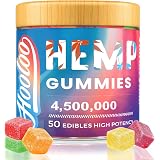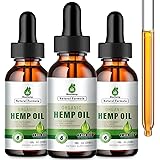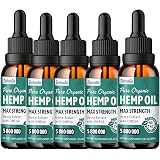

The contemporary landscape of health and wellness increasingly features a burgeoning interest in alternative therapies. For individuals grappling with persistent anxiety, disruptive insomnia, or profound depressive states, conventional treatments do not always provide complete relief. Consequently, a quest for supplemental or novel approaches often ensues, leading many to explore compounds such as cannabidiol, commonly known as CBD. As highlighted in the accompanying video, CBD, a non-psychoactive constituent of the cannabis plant, is gaining considerable traction for its purported therapeutic benefits across a spectrum of health concerns.
Understanding Cannabidiol (CBD): A Non-Psychoactive Phytocannabinoid
Cannabidiol (CBD) represents one of over a hundred distinct cannabinoids identified within the cannabis sativa plant. Crucially, unlike delta-9-tetrahydrocannabinol (THC), which is the primary psychoactive compound responsible for the “high” associated with marijuana, CBD does not induce intoxicating effects. Its mechanism of action is understood to involve complex interactions with the human endocannabinoid system (ECS), a vast network of receptors and neurotransmitters that regulates various physiological processes. These processes include mood, sleep, appetite, pain sensation, and immune response.
The distinction between CBD and THC is paramount for patients considering its use. While THC primarily binds to CB1 receptors in the brain, eliciting psychoactive responses, CBD interacts with the ECS in a more indirect manner. It is believed to modulate the activity of various non-cannabinoid receptors and ion channels, and it may also influence endogenous cannabinoid levels by inhibiting the enzymes responsible for their breakdown. This nuanced interaction is thought to underpin its wide array of potential therapeutic applications without compromising cognitive function or mental clarity.
The Therapeutic Potential of CBD in Wellness Management
The anecdotal accounts and preliminary research surrounding CBD’s efficacy often point towards its potential in addressing several chronic conditions. As exemplified by wellness blogger Jules Hunt in the video, regular intake of CBD oil was associated with improved stomach problems and the anxiety inherently linked to such gastrointestinal distress. It is widely acknowledged that the gut-brain axis plays a significant role in mental health, and CBD’s anti-inflammatory properties could contribute to digestive well-being, indirectly mitigating anxiety symptoms.
Furthermore, the regulation of sleep cycles is another area where CBD has shown promise. Individuals suffering from insomnia or fragmented sleep patterns often report enhanced sleep quality after incorporating CBD into their regimen. This effect is thought to be mediated by CBD’s anxiolytic properties, which help to calm the nervous system, thereby facilitating a more restful state. For those experiencing depression, the antidepressant-like effects of CBD are under investigation, with research exploring its potential to interact with serotonin receptors, similar to conventional antidepressant medications, albeit through distinct pathways.
Beyond Mental Wellness: Expanding Applications of CBD
The utility of CBD is not confined solely to mental health and digestive comfort; its application extends to various other conditions. The video mentions the widespread use of wellness lotions by companies like Lord Jones for addressing skin conditions such as eczema and psoriasis, alongside localized pain relief for headaches, neck aches, and joint discomfort. This topical application leverages CBD’s potent anti-inflammatory and analgesic properties, which can be absorbed transdermally to target specific areas of distress. The local administration allows for concentrated effects without systemic absorption, minimizing potential side effects.
Historically, the most robust scientific evidence for CBD’s therapeutic efficacy has been in the treatment of specific forms of epilepsy. Limited, yet significant, clinical studies have substantiated its role in reducing seizure frequency in conditions like Dravet syndrome and Lennox-Gastaut syndrome, leading to the approval of a pharmaceutical-grade CBD product for these refractory epilepsies. This established application provides a strong foundation for exploring CBD’s neuroprotective potential in other neurological disorders, though extensive research is still critically required.
Navigating the Nuances: Scientific Evidence and Efficacy
Despite the growing enthusiasm for CBD, it is imperative to approach its therapeutic claims with a balanced perspective. As stated by Tim Welty, Clinical Sciences Chair at Drake University, the body of high-quality, large-scale clinical studies definitively proving CBD’s broad efficacy remains somewhat limited. While preliminary research and preclinical studies often yield promising results, translating these findings into conclusive evidence for human health outcomes requires rigorous, randomized, placebo-controlled trials. The slow pace of such research is often attributed to regulatory complexities surrounding cannabis-derived products and funding challenges.
Consequently, many claims regarding CBD’s effectiveness are presently supported more by anecdotal evidence and smaller observational studies than by definitive clinical data. Patients and healthcare providers are therefore advised to maintain a cautious stance, distinguishing between potential benefits indicated by early research and established therapeutic applications. A comprehensive understanding of the current scientific landscape is essential for making informed decisions regarding CBD supplementation.
Potential Adverse Effects and Safety Considerations
While CBD is generally considered to possess a favorable safety profile compared to many pharmaceutical drugs, potential side effects and safety concerns do exist. Tim Welty specifically highlights drowsiness as a common occurrence, which, while sometimes desirable for individuals seeking sleep aid, can impair daily activities. Gastrointestinal complaints, such as diarrhea, have also been reported by some users, necessitating careful dosage titration.
A more critical concern involves the potential for liver damage, particularly at high doses or in sensitive individuals. CBD is primarily metabolized by cytochrome P450 enzymes in the liver, which are also responsible for metabolizing a wide range of medications. This interaction can lead to elevated liver enzymes, indicating potential hepatic stress. Furthermore, this enzymatic competition poses a significant risk for drug-drug interactions. When CBD is co-administered with other medications that are also metabolized by these enzymes, it can alter the concentration of those drugs in the bloodstream, potentially leading to increased toxicity or decreased efficacy. Patients currently on prescription medications, especially those with a narrow therapeutic index, are strongly advised to exercise extreme caution and seek medical guidance prior to initiating CBD use.
Regulatory Oversight and Product Integrity Challenges
The rapid expansion of the CBD market has unfortunately outpaced robust regulatory oversight, leading to significant challenges in product integrity and consumer protection. The video references the FDA’s intervention last year, where letters were dispatched to four CBD manufacturers. These communications alleged that the companies’ products did not contain the advertised levels of CBD, implying either inadequate manufacturing processes or deliberate mislabeling. Such discrepancies are not isolated incidents; numerous independent studies have similarly uncovered inaccuracies in CBD product labeling, revealing instances of lower-than-claimed CBD content, higher-than-allowed THC levels, or contamination with heavy metals and pesticides.
This lack of stringent regulation means that consumers frequently encounter a highly variable product landscape. The absence of standardized quality control measures and manufacturing practices across the industry makes it exceptionally difficult for individuals to ascertain the true composition, purity, and potency of the CBD products they purchase. Therefore, selecting reputable brands that provide transparent third-party laboratory testing and Certificates of Analysis (CoAs) is a critical step in mitigating potential risks and ensuring product efficacy.
Informed Decision-Making: Consulting Healthcare Professionals
The integration of CBD into a health regimen should always be undertaken with careful consideration and, ideally, under the guidance of a qualified healthcare professional. As the news anchor in the video aptly points out, Jules Hunt’s doctor views CBD oil as a “last resort” for patients who have unsuccessfully explored other conventional solutions. This perspective underscores the importance of exhausting established medical treatments and fully understanding the root causes of health issues before turning to supplementary options.
Moreover, the potential for drug interactions, as elaborated upon by Tim Welty, necessitates a thorough medical review. Individuals currently taking prescription medications, particularly those for chronic conditions, must discuss CBD use with their physician or pharmacist. These professionals can assess the potential for adverse interactions, monitor for side effects, and provide personalized recommendations based on an individual’s specific health profile and medication regimen. The personalized approach ensures that the pursuit of wellness with cannabidiol is both informed and safe.
Green Relief: Your Questions on Cannabis Oil for Anxiety & Depression Answered
What is CBD?
CBD, or cannabidiol, is a natural compound found in the cannabis sativa plant. It is gaining interest for its potential health benefits and does not cause a ‘high’.
How is CBD different from THC?
The main difference is that CBD does not cause the intoxicating effects or ‘high’ associated with marijuana. THC (delta-9-tetrahydrocannabinol) is the compound responsible for those psychoactive effects.
What are some common reasons people use CBD?
People often use CBD to help with conditions like anxiety, insomnia (sleep problems), depression, and various types of pain. It is also explored for skin conditions and digestive well-being.
Are there any side effects when using CBD?
While generally considered safe, some potential side effects include drowsiness and gastrointestinal issues like diarrhea. It can also interact with other medications, so caution is advised.
Should I talk to a doctor before using CBD?
Yes, it is strongly recommended to consult a healthcare professional before using CBD, especially if you are taking other prescription medications. They can advise on potential interactions and appropriate use.