
Navigating the complex world of health and wellness information can feel overwhelming, especially when encountering topics that have historically been shrouded in controversy. Many individuals seek natural, holistic approaches to manage common ailments like chronic pain, anxiety, and sleep disturbances, yet struggle to find reliable guidance.
In the video above, Jessica shares her personal journey and insights into the often-misunderstood compound, CBD. This article aims to complement her discussion, providing a deeper dive into what CBD is, its potential benefits, and how to approach its use with confidence and informed understanding.
Understanding CBD: Beyond the Misconceptions
Cannabidiol, commonly known as CBD, has garnered significant attention in the wellness sphere. Despite its growing popularity, many people remain hesitant due to its association with cannabis, often confusing it with marijuana.
However, as Jessica explains, CBD is a distinct compound found in plants belonging to the cannabis family, separate from the psychoactive component, Tetrahydrocannabinol (THC). While THC is responsible for the “high” associated with marijuana, CBD does not produce any psychotropic effects.
Hemp vs. Marijuana: A Crucial Distinction for CBD Oil
The key to understanding CBD’s non-intoxicating nature lies in its source. Cannabis sativa is a species of plant with two primary varieties: hemp and marijuana.
Hemp plants are cultivated specifically to contain high levels of CBD and extremely low levels of THC (typically less than 0.3%). Conversely, marijuana plants are bred for their high THC content.
Therefore, CBD oil primarily derived from industrial hemp is non-psychoactive and, crucially, distinct from products that would induce a “high.” This botanical difference underpins its legal status and widespread acceptance.
The Endocannabinoid System: How CBD Works in Your Body
To truly grasp the potential benefits of CBD, it’s helpful to understand the endocannabinoid system (ECS). This intricate biological system exists within all mammals, playing a crucial role in maintaining homeostasis, or balance, across various bodily functions.
The ECS is comprised of endocannabinoids (cannabinoids produced by your body), receptors (CB1 and CB2, found throughout the brain and body), and enzymes. It influences processes such as mood, pain sensation, appetite, sleep, and immune response.
CBD interacts with the ECS indirectly, modulating its activity and encouraging the body to produce more of its own endocannabinoids. This interaction is believed to be the mechanism behind many of CBD’s observed therapeutic effects.
Is CBD Legal? Navigating the Regulatory Landscape
The legality of CBD has been a point of contention and confusion, as highlighted in the video. The situation varies depending on the source of the CBD and specific state laws.
Federally, the 2018 Farm Bill legalized hemp-derived CBD products in the United States, as long as they contain less than 0.3% THC. This landmark legislation removed hemp from the Controlled Substances Act, distinguishing it from marijuana.
However, despite federal legality, individual states can still have their own regulations regarding the sale and use of CBD. While the video mentions CBD is legal in all 28 states with legalized medical marijuana and 16 additional states have made it a legal exception, the regulatory environment is dynamic, requiring consumers to stay informed about their local laws.
Exploring the Healing Potential: Benefits of CBD Oil
Jessica passionately shares her personal experience with CBD, particularly regarding postpartum anxiety and improved sleep. Her account echoes the experiences of many who have found relief through this natural compound.
Research continues to uncover the broad spectrum of ways CBD may support health. The plant’s potent healing benefits, coupled with its favorable safety profile, make it an attractive option for those seeking alternative wellness solutions.
CBD for Pain and Inflammation Relief
One of the most common reasons people turn to CBD is its ability to help manage pain and inflammation. As Jessica notes, CBD possesses significant anti-inflammatory properties, making it a valuable tool for various conditions.
Chronic pain, including back pain, arthritis, and neuropathic pain, often involves inflammatory processes. CBD interacts with pain receptors and can help reduce inflammatory responses, offering a potentially safer alternative compared to opiates and certain NSAIDs that carry substantial risks and side effects.
For individuals suffering from conditions like multiple sclerosis (MS), where inflammation contributes to pain and muscle spasms, CBD oil has shown particular promise in clinical studies for alleviating symptoms.
Reducing Anxiety and Stress with CBD
The calming effects of CBD on the nervous system are well-documented, making it an excellent option for managing anxiety and stress. Unlike THC, which can sometimes induce paranoia or heightened anxiety in sensitive individuals, CBD tends to have the opposite effect.
Studies suggest that CBD may interact with serotonin receptors in the brain, which play a crucial role in mood regulation. This interaction can help reduce physiological responses to stress, such as elevated heart rate and blood pressure, contributing to a sense of calm and well-being. Individuals dealing with generalized anxiety disorder, panic disorder, and social anxiety have reported significant relief.
Improving Sleep Quality with CBD Oil
Sleep disturbances are a pervasive issue, often linked to underlying pain or anxiety. CBD’s ability to alleviate these root causes naturally leads to improved sleep. Jessica, for instance, credits CBD for enhancing her sleep quality and quantity.
Beyond indirect benefits, CBD may also directly influence sleep cycles. It can promote relaxation and reduce the time it takes to fall asleep, while also decreasing instances of insomnia, especially in those whose sleep is disrupted by chronic discomfort or restless thoughts.
CBD’s Surprising Role in Diabetes Prevention
During her research, Jessica found CBD’s potential role in diabetes prevention to be one of the most surprising benefits. Emerging evidence indicates that CBD may impact insulin levels and glucose metabolism.
Specifically, CBD has been shown to increase insulin sensitivity and reduce inflammation in the pancreas, an organ vital for insulin production. For individuals at risk of or living with type 2 diabetes, these effects suggest CBD could be a valuable complementary strategy for managing blood sugar and metabolic health.
Exploring Anti-Cancer Properties of CBD
Perhaps the most shocking benefit Jessica uncovered relates to CBD’s potential anti-cancer properties. While still in early stages of research, studies have indicated that CBD may induce apoptosis, or “cell death,” in certain types of cancer cells.
Furthermore, research suggests CBD could inhibit tumor growth and prevent the spread of cancerous cells (metastasis) throughout the body. These findings are compelling, positioning CBD as a promising area for future cancer research and potential therapeutic interventions, though it is not a cure.
CBD for Seizure Reduction and Epilepsy Treatment
CBD first gained widespread recognition for its profound effects on severe forms of epilepsy, particularly in children. The video highlights how children, who had previously tried numerous prescription medications (up to 12 different ones), found CBD 80% effective in one study.
The U.S. Food and Drug Administration (FDA) has even approved Epidiolex, a CBD-based medication, for the treatment of seizures associated with Lennox-GastGastaut syndrome and Dravet syndrome, two rare and severe forms of epilepsy. This regulatory approval underscores the significant therapeutic potential of CBD in neurological conditions.
Choosing High-Quality CBD Products: What to Look For
As the CBD market rapidly expands, finding trustworthy, high-quality products becomes paramount. Jessica rightly cautions consumers about the influx of brands vying for market share, emphasizing the need for conscious sourcing.
When selecting CBD products, several factors indicate reliability and efficacy. Always prioritize brands that provide third-party lab testing results, often accessible via a Certificate of Analysis (COA) for each batch.
These COAs verify the CBD content, confirm that THC levels are below the legal limit, and ensure the absence of harmful contaminants like heavy metals, pesticides, and microbial impurities. Additionally, consider the extraction method (CO2 extraction is preferred for purity) and whether the hemp is organically grown.
Types of CBD Products and Consumption Methods
The versatility of CBD means it’s available in various forms, each offering different absorption rates and suitability for specific needs:
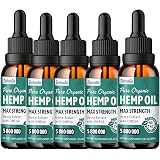
- Tinctures/Oils: Applied sublingually (under the tongue), these offer relatively fast absorption and allow for precise dosing.
- Capsules/Edibles: Ingested orally, these provide a convenient, pre-measured dose with a slower onset but longer-lasting effects.
- Topicals: Creams, balms, and salves are applied directly to the skin for localized relief of pain or inflammation in muscles and joints.
- Vapes: Inhaled CBD offers the fastest onset of effects, though considerations for lung health should be taken into account.
Understanding these options can help you choose a product that best aligns with your lifestyle and desired outcomes, whether managing chronic pain, reducing anxiety, or improving sleep.
Making an Informed Decision About CBD
Ultimately, understanding CBD is about empowerment—equipping yourself with the knowledge to make informed decisions for your health and your family. As Jessica articulates, comparing CBD to the myriad prescription drugs often used to treat similar conditions, with their extensive list of terrifying side effects, highlights its natural appeal.
CBD works in harmony with the body, supporting its natural healing processes rather than merely masking symptoms. This holistic approach, combined with a strong safety profile and a growing body of scientific evidence, positions CBD as a significant component in the modern wellness landscape.
CBD Insights: Your Questions Answered
What is CBD?
CBD, or Cannabidiol, is a natural compound found in cannabis plants. Unlike THC, it does not produce a ‘high’ or psychoactive effects.
Where does CBD typically come from?
CBD oil is primarily derived from industrial hemp plants. These plants are cultivated to contain high levels of CBD and very low levels of THC (less than 0.3%).
How does CBD work in the body?
CBD interacts with the body’s endocannabinoid system (ECS), which helps maintain balance in various functions like mood, pain, and sleep. It modulates the ECS’s activity and encourages the body to produce its own natural cannabinoids.
Is CBD legal?
Federally, hemp-derived CBD products with less than 0.3% THC are legal in the United States. However, state laws can vary, so it’s always good to check local regulations.