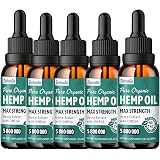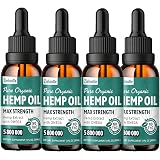

The quest for vibrant, healthy hair is an enduring pursuit. For many, issues like hair thinning or increased breakage present significant challenges. It is understood that a compromised scalp environment often impedes optimal hair health. The natural health sector continuously seeks innovative solutions. Interestingly, cannabidiol (CBD) oil has emerged as a promising agent. Its potential applications in dermatology and trichology are being explored.
As discussed in the accompanying video, CBD oil for hair growth is gaining considerable attention. Its purported benefits extend beyond general wellness. The cosmetic industry has taken note. A surge of CBD-infused hair products is now observed. These formulations aim to harness CBD’s inherent properties. This exploration delves deeper into how CBD might contribute to robust hair and scalp vitality, expanding upon the video’s foundational insights.
Demystifying Cannabidiol: Hemp Oil Versus Hemp Seed Oil
Cannabidiol oil, frequently termed hemp oil, is derived from the Cannabis Sativa plant. Specifically, it is extracted from hemp varieties. These plants contain minimal levels of tetrahydrocannabinol (THC). THC is the psychoactive compound in cannabis. It is crucial to differentiate CBD oil from hemp seed oil. Hemp seed oil is pressed from the seeds. It contains different nutritional profiles and lacks significant cannabinoids. CBD oil, conversely, is rich in phytocannabinoids.
The legal landscape surrounding CBD products has significantly evolved. The 2018 Farm Bill reclassified hemp. It established a federal distinction. Hemp is defined as cannabis with less than 0.3% THC. This legal framework permits the cultivation and sale of hemp-derived CBD products. This ensures that consumers of CBD-infused hair products will not experience intoxicating effects. Regulation of these products remains less stringent compared to marijuana. Marijuana is still classified as a Schedule 1 controlled substance under U.S. law.
The Bioreceptive Role of the Endocannabinoid System in Scalp Health
The body’s intricate endocannabinoid system (ECS) regulates numerous physiological processes. These include mood, appetite, pain sensation, and immune response. This complex network extends to the skin and hair follicles. Endocannabinoid molecules are naturally synthesized within epidermal cells. They are also found in hair follicles and sebaceous glands. CBD, a phytocannabinoid, interacts with this system. Specifically, it is thought to modulate CB1 and CB2 receptors. This interaction is believed to influence cellular function.
The ECS plays a vital role in maintaining skin homeostasis. This includes managing oil production and inflammation. CBD’s engagement with these pathways is significant. It is posited that hemp-derived CBD products can nourish the scalp. They might also stimulate hair follicles directly. A 2014 study from the National Center for Biotechnology Information highlighted this. It presented evidence that non-psychoactive compounds regulate skin’s oil production. This potentially mitigates breakouts and other dermatological issues. Such regulation is paramount for optimal hair growth. Healthy follicles depend on a balanced microenvironment.
Unpacking the Myriad Benefits of CBD Oil for Hair and Scalp
CBD oil is widely recognized for its anti-inflammatory properties. Researchers hypothesize this attribute supports scalp health. An inflamed scalp environment hinders follicle function. It can contribute to various forms of hair loss. By mitigating inflammation, CBD may create a more conducive setting for growth. This fosters stronger, healthier hair strands. The reduction of scalp irritation is a key benefit.
Furthermore, CBD oil is remarkably rich in essential fatty acids. It contains significant amounts of omega-3 and omega-6. These polyunsaturated fats are vital for maintaining the scalp’s lipid barrier. A robust barrier prevents moisture loss. It shields against environmental damage. These nutrients are known to support hair elasticity. They contribute to reduced breakage. Beyond fatty acids, CBD-based oils supply numerous vitamins and minerals. High levels of vitamin E are present. This vitamin is a potent antioxidant. It protects against oxidative stress. Calcium, phosphorus, magnesium, and potassium are also found. These minerals are crucial for cellular regeneration and overall hair strength.
CBD’s Mechanism: How Cannabidiol Oil May Stimulate Hair Growth
The intricate mechanism of how cannabidiol oil promotes hair growth is continuously being investigated. It is understood that the hemp-extracted chemical compounds interact with the ECS. This interaction primarily occurs through cannabinoid receptors. These receptors are widely distributed. They are present in various tissues throughout the body, including the skin. CB1 receptors are found in hair follicles. Their activation or modulation can profoundly impact follicle activity.
By modulating the ECS, CBD may influence the hair growth cycle. This cycle comprises anagen (growth), catagen (transition), and telogen (resting) phases. A balanced ECS could help prolong the anagen phase. It may encourage dormant follicles to re-enter active growth. The oil’s impact on sebaceous glands is also noteworthy. These glands produce sebum, the skin’s natural oil. Regulated sebum production prevents both excessive dryness and oiliness. Either extreme can compromise hair follicle health. Consequently, a more balanced scalp milieu is created. This directly supports robust hair growth.
Navigating Popular CBD Oil-Infused Hair Products
A healthy scalp invariably fosters robust hair regrowth. It also effectively reduces common issues. These include frizz, split ends, and hair loss. Consumers seeking enhanced beauty and a luscious mane have many options. The market for hemp-CBD oil-infused hair products is expanding. These products are designed to deliver targeted benefits. They cater to diverse hair care needs. Different formats allow for flexible application.
-
Shampoos and Conditioners: These cleanse and moisturize. They deliver CBD’s anti-inflammatory and nourishing compounds directly to the scalp and hair strands. Consistent use helps maintain a healthy follicular environment.
-
Detanglers and Hair Oils/Serums: These provide intensive moisture. They improve manageability and add shine. Serums often target specific concerns. They may contain higher concentrations of active ingredients for deeper penetration.
-
Scalp Therapy/Leave-in Treatments: These products offer sustained contact with the scalp. They deliver therapeutic benefits over longer periods. They are ideal for addressing chronic dryness, itchiness, or inflammation. Some individuals also craft DIY hair masks. They blend CBD oil with carrier oils like coconut oil. These are applied directly to hair roots and dry scalps.
Broader Applications and Comprehensive Benefits of Cannabidiol
The utility of cannabidiol extends far beyond hair care. The market is saturated with diverse CBD-infused products. Oral capsules and edibles offer systemic effects. Under-the-tongue tinctures provide rapid absorption. These are commonly employed for various ailments. Such conditions include pain, inflammation, anxiety, depression, and insomnia. The therapeutic potential of CBD is continually being explored. Scientific research underpins these applications.
It is important to note the significant milestone of Epidiolex. This CBD-derived medication is FDA-approved. It specifically treats rare forms of seizures. This highlights CBD’s proven medicinal efficacy. Topicals containing CBD are also popular. They address localized skin problems. Examples include eczema, psoriasis, and acne. However, it is essential for consumers to maintain a balanced perspective. Much scientific evidence supporting CBD’s benefits originates from animal model studies. Further extensive human trials are still being conducted.
Selecting the Ideal CBD-Infused Oil for Hair Growth
Identifying the correct CBD-infused oil for promoting hair growth requires diligence. Products vary significantly in their composition. CBD-isolate oil represents the purest form. It contains only cannabidiol. All other cannabis compounds are removed. Broad-spectrum oils contain multiple cannabinoids and terpenes. They lack THC. Full-spectrum oils include the entire range of cannabinoids, terpenes, and flavonoids. They contain trace amounts of THC, typically below 0.3%. The “entourage effect” theorizes that these compounds work synergistically. This enhances their therapeutic benefits.
Authenticity and safety are paramount considerations for consumers. It is advised to seek products from certified hemp farmers and manufacturers. These reputable sources typically adhere to rigorous standards. Their products undergo comprehensive third-party testing. Such testing verifies active ingredient concentrations. It also screens for contaminants like heavy metals, pesticides, and residual solvents. Certificates of Analysis (CoAs) should be readily available. These documents provide transparent quality assurance. Thorough consumer research and consulting customer reviews are invaluable. They serve as reliable guides in the purchasing process. This ensures a high-quality CBD oil for hair growth is chosen.
Untangling Your CBD Hair Growth Queries
What is CBD oil for hair growth?
CBD oil for hair growth is derived from the hemp plant and is being explored for its potential to improve hair and scalp health. It is thought to stimulate follicles, nourish the scalp, and help reduce hair loss.
What is the difference between CBD oil and hemp seed oil?
CBD oil is extracted from the hemp plant and contains active compounds called cannabinoids. Hemp seed oil is pressed from the seeds, contains different nutrients, but lacks these significant cannabinoids.
How does CBD oil help with hair health?
CBD oil is believed to support scalp health through its anti-inflammatory properties and by providing essential nutrients like omega fatty acids. It may also interact with the body’s system to promote stronger, healthier hair growth.
Will using CBD hair products make me feel high?
No, CBD oil derived from hemp contains very low levels of THC, the compound that causes intoxicating effects (typically less than 0.3%). Therefore, you will not experience a ‘high’ from using these products.