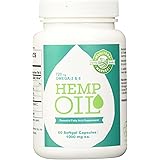

The increasing conversation surrounding cannabidiol, widely known as CBD, has garnered significant attention. Many individuals are encountering this compound in various forms. As highlighted in the accompanying video, CBD’s popularity has surged. Claims regarding its potential benefits range from aiding sleep to managing diabetes. This rapid rise has sparked both enthusiasm and questions within the health and wellness sphere.
CBD, a component found in cannabis plants, is distinct from THC. It is typically derived from hemp, which contains minimal THC. Therefore, it does not induce the psychoactive “high” associated with marijuana. Methods of consumption are quite varied. CBD may be taken as an oil, applied topically to the skin, or inhaled through vapor. Each method offers a different delivery experience.
The Legal Framework for CBD Oil
A pivotal moment for the CBD industry was the signing of the 2018 Farm Bill. This landmark legislation legalized the cultivation of hemp at the federal level. This action effectively removed hemp from the list of controlled substances. Such a change opened doors for widespread hemp-derived product development. Despite this federal legalization, state regulations concerning CBD products can vary. Businesses and consumers are often navigating a complex legal patchwork.
The Farm Bill’s impact was substantial. It fostered an environment where CBD products could be produced and sold more openly. However, this did not grant a free pass for all CBD products. The Food and Drug Administration (FDA) maintains authority over these items. Specifically, the FDA addresses health claims and product formulation. Understanding this regulatory nuance is crucial for both manufacturers and consumers.
Scientific Understanding Versus Anecdotal Claims
While personal testimonials about CBD’s efficacy are widespread, scientific consensus is still developing. One prescription drug containing CBD, Epidiolex, has been approved by the FDA. This approval is specifically for treating two rare forms of childhood epilepsy. These conditions are Dravet syndrome and Lennox-Gastaut syndrome. This demonstrates CBD’s validated medical potential in specific contexts.
However, the vast majority of claims associated with general CBD products remain largely unsupported by robust human clinical trials. Many early insights have been limited to personal experiences. Studies involving animals have also provided some preliminary data. As Dr. Jeff Chen mentions, positive effects seen in animal models often do not translate to humans. Therefore, caution is advised when evaluating broad therapeutic claims for CBD oil.
Challenges in Dosage and Efficacy
Determining effective dosages for CBD products presents a significant challenge. Scientists report that much remains unknown about how CBD affects the brain. Optimal doses and the most effective delivery methods are also largely undetermined. For instance, a common practice involves placing a few drops of CBD oil under the tongue. This might deliver around 10 milligrams of CBD.
However, some research suggests a much higher threshold is needed for certain effects. Researchers indicate that up to 30 times that amount, or 300 milligrams, might be required to relieve stress. This discrepancy highlights the complex nature of CBD efficacy. Factors such as bioavailability, individual metabolism, and product potency all play roles. Consumers are left to experiment, often without clear guidance.
Navigating the Unregulated CBD Oil Market
The current market for CBD products is predominantly unregulated. Most items are marketed and sold as dietary supplements. This classification means the FDA does not evaluate these products for safety or effectiveness. Such a regulatory void creates several issues for consumers. Product labels may not accurately reflect the actual CBD content. Mislabeling is a well-documented problem within the industry.
Concerns also extend to product purity. Contaminants like heavy metals, pesticides, or residual solvents can be present. The absence of strict oversight means product quality can vary widely. Therefore, consumers face a significant challenge when trying to identify reliable CBD oil products. A discerning approach is essential in this burgeoning market. Seeking products with third-party lab testing results is often recommended.
Ensuring Quality and Transparency
Given the lack of federal regulation, consumers must be vigilant. Choosing high-quality CBD oil products requires careful consideration. Reputable brands often provide Certificates of Analysis (COAs) from independent third-party labs. These reports confirm the CBD content and verify the absence of harmful substances. Transparency from manufacturers is paramount.
Understanding the source of the hemp is also beneficial. Hemp grown in the United States is generally subject to stricter agricultural regulations. This can contribute to a safer end product. Inquiries about extraction methods can also reveal product quality. CO2 extraction, for example, is often considered a clean method. Diligent research empowers consumers in this evolving CBD oil landscape.
Unpacking the Buzz: Your CBD Questions Answered
What is CBD oil?
CBD oil is made from cannabidiol, a compound found in cannabis plants, typically derived from hemp. It is distinct from THC and does not cause the psychoactive ‘high’ associated with marijuana.
Is CBD oil legal?
Federally, hemp cultivation was legalized in the U.S. by the 2018 Farm Bill, removing hemp from controlled substances. However, state regulations for CBD products can still vary, and the FDA regulates health claims.
Does science support the health claims about CBD oil?
While many personal testimonials exist, scientific consensus is still developing. One prescription CBD drug is FDA-approved for specific forms of epilepsy, but most other health claims lack robust human clinical trial support.
How can I find a good quality CBD oil product?
Since the CBD market is largely unregulated, it’s important to look for products that provide Certificates of Analysis (COAs) from independent third-party labs. These reports confirm CBD content and verify the absence of harmful substances.
Does CBD oil make you feel ‘high’?
No, CBD oil typically does not make you feel ‘high’ because it is usually derived from hemp. Hemp contains minimal THC, which is the compound responsible for psychoactive effects.